

A note about this extremely long blog post: I originally conducted the research for this post in 2025 and early 2026, as part of an effort to make a YouTube video explaining this same topic. I found all the information and images that I needed, but I just couldn’t film the parts in a way that I was satisfied with. So instead of a video, I transformed that research into this post, which still allows me to creatively present all the research that I did. I hope you enjoy!
Montréal is one of the most unique cities in North America. Its unique blend of English, French, and other immigrant cultures is reflected in one of its most beloved (and sometimes reviled) staples; the metro system. Through hot summer days and brutally cold winter nights, the underground trains rumble beneath the city streets, transporting almost a million passengers every day, making it the fourth-busiest rapid transit system in North America (APTA Q4 2022 Ridership Report, 2023). Within the names of the stations, there hides a history of conquest, religion, revolution, community, and individuality that has shaped the cultural center of Francophone North America. Today, I will be looking at the stations of the 4 subway lines in chronological opening order, and analyzing how the names of those stations help explain the history of the city. Many of the stations share their names with a nearby street or landmark, as is typical for rapid transit system stations. Therefore, the names of the streets and stations go hand in hand in our research. For those who do not speak French, here is a guide to French street names:
| French Term | English Equivalent |
| Avenue | Avenue |
| Boulevard | Boulevard |
| Chemin | Road |
| Rue | Street |
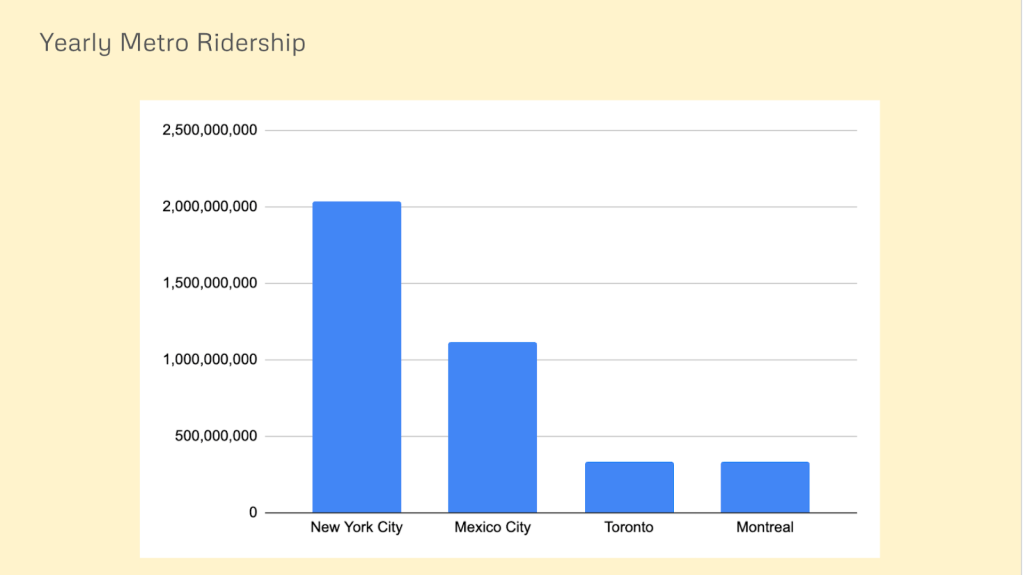
Ridership stats of North American rapid transit systems
The 1960’s
Let’s go to the beginning of the Metro in 1966. I will skip over the very complicated planning and construction stages of the metro in order to focus on the names of the stations and their opening dates. At the end of the 1960’s, there were three lines open, with 26 stations total. The north-south Orange Line (or Ligne Orange) ran from Henri-Bourassa in the north to Place-d’Armes in the south, with an interchange at Berri-UQAM. The east-west Green Line (or Ligne Verte) ran from Atwater in the east to Frontenac in the west, with the aforementioned interchange at Berri-UQAM. And finally, the Yellow Line (or Ligne Jaune) runs east-west from the Berri-UQAM interchange to Longueuil-Université-de-Sherbrooke. The Green and Orange Lines opened in 1966, while the Yellow Line opened in 1967. The opening of the Yellow Line added a scant 2 new stations and an interchange at Berri-UQAM, which to this day is the only station in the entire system that houses 3 separate lines. The Yellow Line has never been expanded since then. In 1967, the Orange Line also added 2 stations in the southbound direction. Let’s take a look at the stations of the Metro that opened in this decade. Each station has a header indicating its name, year of opening, line, and the local landmark that the station is named for.
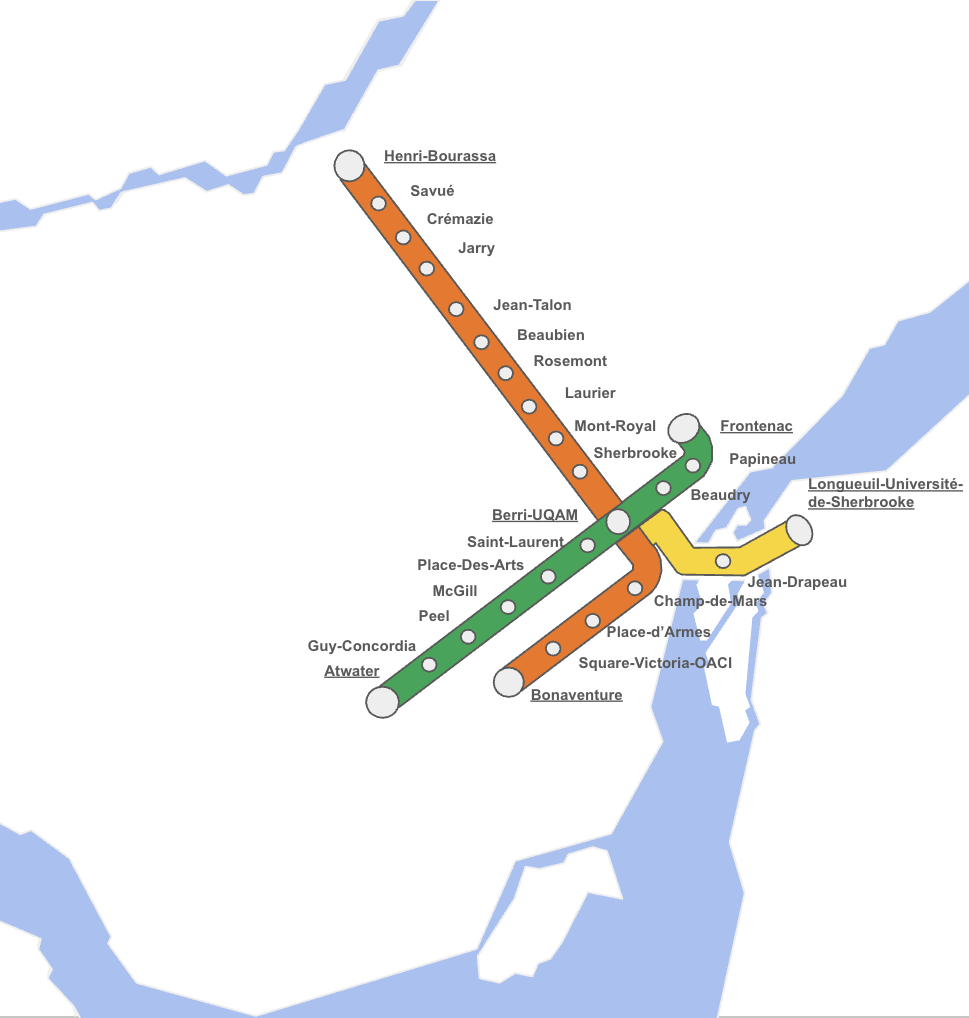
Montréal Metro at the end of the 1960’s
Atwater – 1966, Green Line
Landmark: Atwater Avenue
Our first station is named for Edwin Atwater, a politician, businessman, and the founder of Montréal City and District Savings Bank, which is today called Laurentian Bank of Canada. (Landry, 1976). Also bearing his name are Bibliothèque Atwater and Marché Atwater in the city, which are a library and farmer’s market respectively. Atwater was an American immigrant from Vermont, who worked in plate-glass importation (Collard, 1984). As a major Canadian city, Montréal has a high immigrant population, and the success story of immigrants like Atwater demonstrates their ability to thrive in the cosmopolitan environment that the city offers.
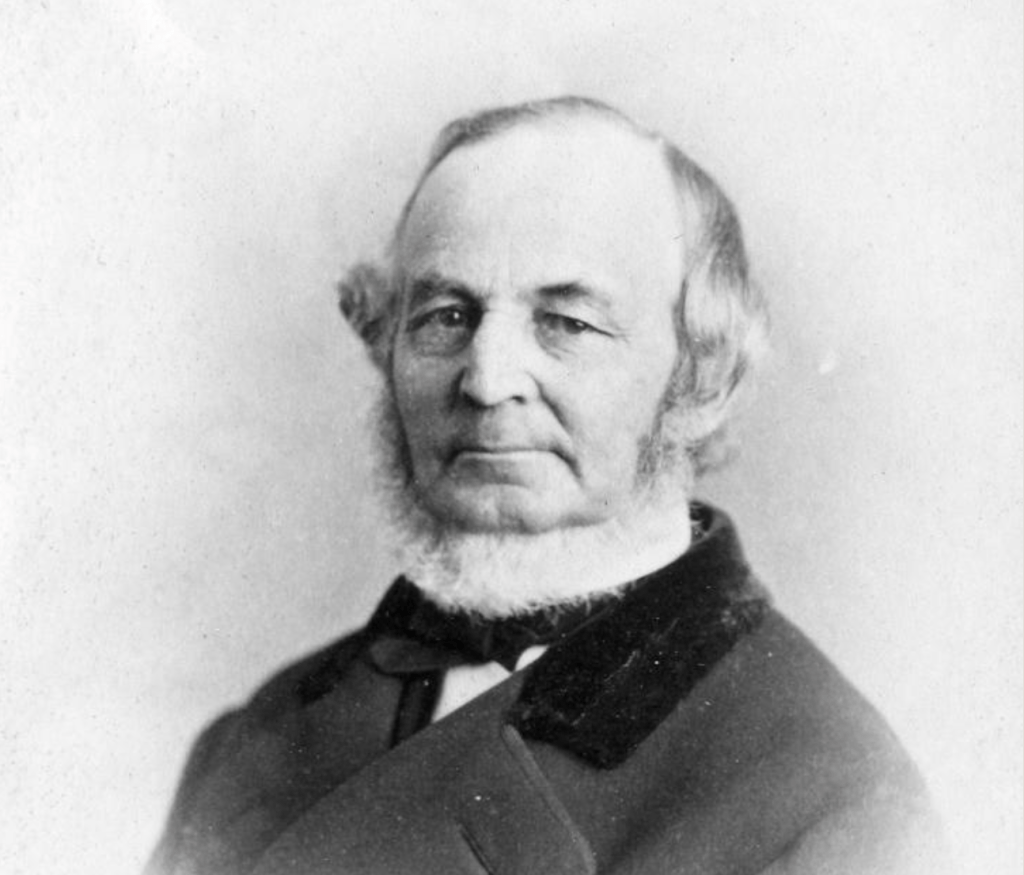
Edwin Atwater
Notman, W. (1868).
Guy-Concordia – 1966, Green Line
Landmark: Rue Guy
Formerly called Guy, the station was first named solely for Étienne Guy, an 18th and 19th century politician in the Lower Canada Legislative Assembly (Halpenny, 1988). Lower Canada was a British Colony before the provinces were organized into an entity called Canada. Concordia University’s Sir George Williams Campus is nearby, which is a prominent English-language University in Montréal, if not the most famous (we’ll get to that later).
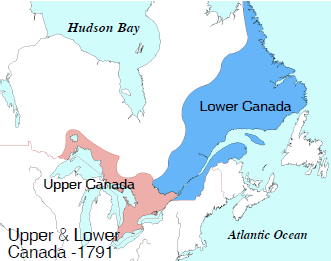
Map of Lower Canada
Canada: A Country by Consent. (n.d.).
Peel – 1966, Green Line
Landmark: Rue Peel
Sir Robert Peel was the Prime Minister of the UK for two nonconsecutive stints. Peel was very influential with his Tamworth Manifesto that helped found the modern Conservative Party (Lowe, 2017). Peel founded the world’s first metropolitan police department, which is where the British slang “Bobbies” for policemen came from. (How Policing Started in England). Next time somebody tells you that we absolutely need police because they’ve just been around forever and society would collapse without them, you can remind them that the first ever urban police department was only founded in the 1820’s. And modern American police departments have their roots in runaway slave patrols too. Nearby the station on the same street, there is a high-rise building also called Sir-Robert-Peel. Elite British figures often had places and infrastructure named after them in the colonial era of Québec.
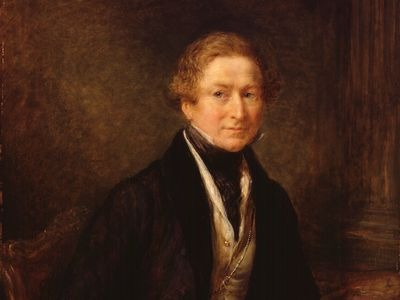
Sir Robert Peel
Linnell, J. (1838).
McGill – 1966, Green Line
Landmark: McGill University
This station is named for the nearby McGill University, one of Canada’s most prestigious universities and a top-30 school globally. The university was founded by James McGill in 1813, a prominent Scottish businessman, slaveholder, and MP in Lower Canada. (Who was James McGill?). McGill University was long seen as a symbol of elite Canadian education alongside the Anglophone economic and societal domination of Québec until the Quiet Revolution. The Quiet Revolution was a period of social upheaval, liberalization, and secularization in mid-20th century Québec. I will talk more about the Quiet Revolution at various points in this article. Demonstrations in 1969 during Operation McGill Français unsuccessfully attempted to turn McGill into a francophone institution (Linteau, Durocher, & Robert, 1989). From a personal angle, I applied for McGill’s PhD program in Linguistics in late 2022, but I wasn’t accepted. In my travels to the city, I’ve spent some time on their campus, and the thing that I immediately noticed is how hilly it is! Going from one building to another sometimes involves going up a near 45-degree angle, due to the campus being close to the base of Mount Royal.
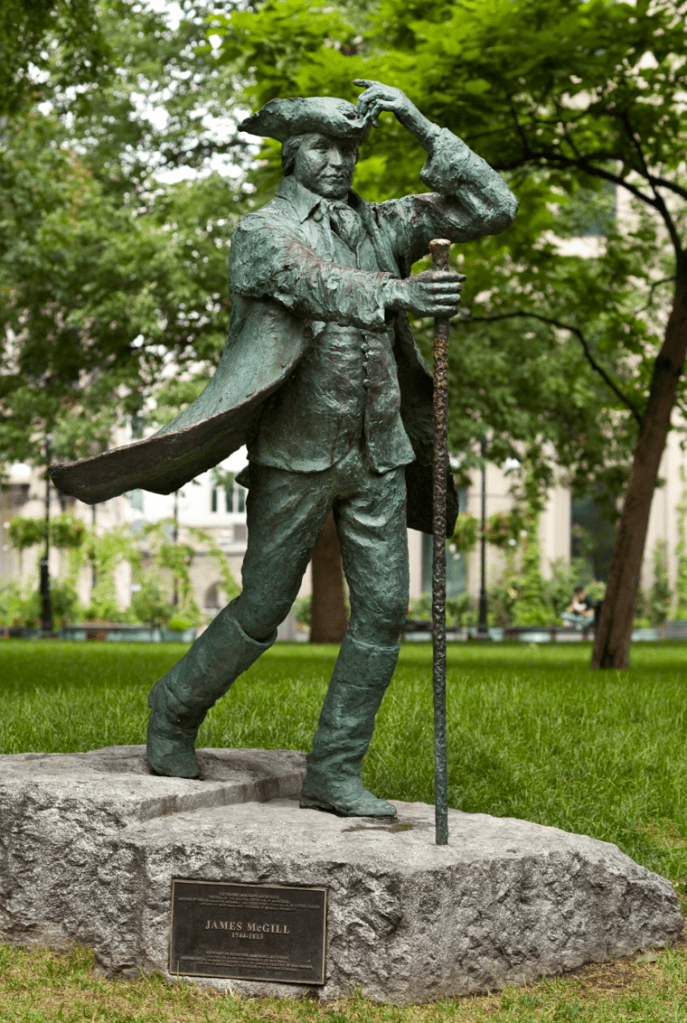
Statue of James McGill
Roper-Curzon, D. (1996).
Place-des-Arts – 1966, Green Line
Landmark: Place-des-Arts
Place-des-Arts Station is named for the Place-des-Arts cultural complex and entertainment venue, which is the largest such complex in Canada (Haskell). The complex, along with the metro system, was a project of beloved long-tenured mayor Jean Drapeau, whose city projects are numerous and invaluable to modern Montréal. Right near the Place-des-Arts station is the famous Anglo-Catholic Church of St. John the Evangelist, with a prominent red roof. This church is very important to my own spiritual journey, and I credit my visits there with my continued faith and devotion. The large wooden structure supporting a cross in front of the church’s altar is called a rood screen. I was so inspired by the beauty of this structure, that I got the Bible verse on the rood screen tattooed on my right shoulder!
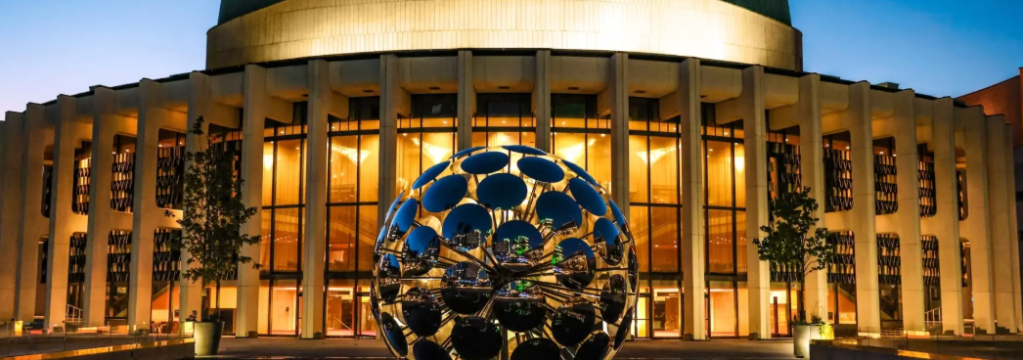
Place-des-Arts performing arts center
Place des Arts. (2025).
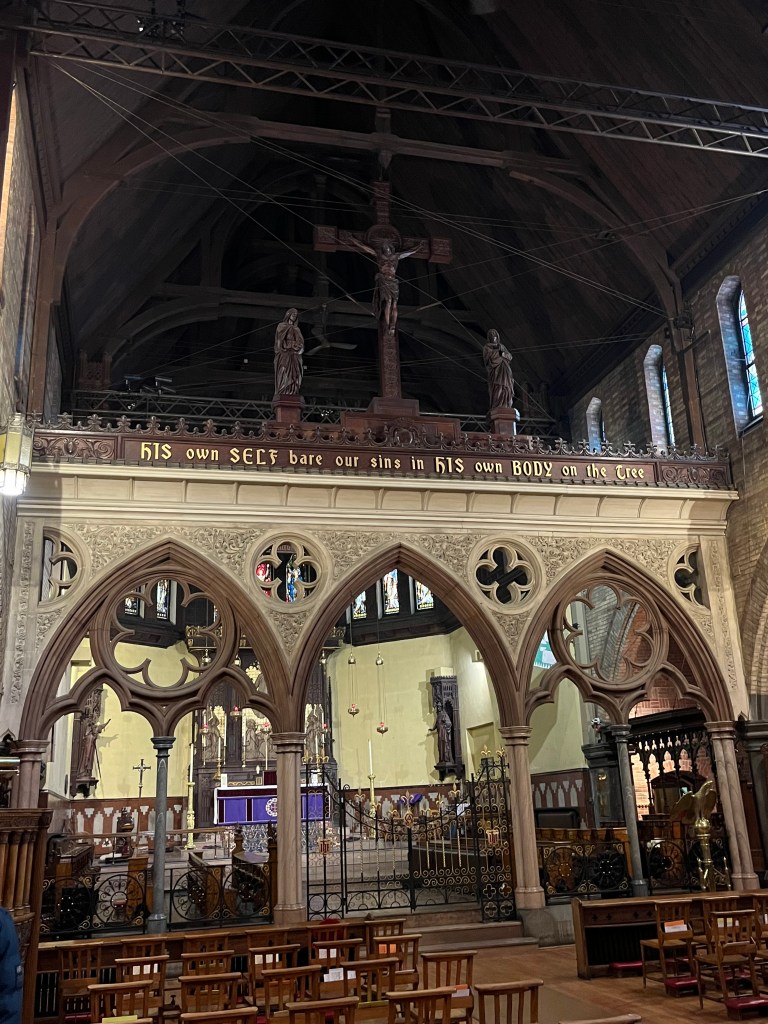
Rood Screen at St. John the Evangelist Anglican Church
Saint-Laurent – 1966, Green Line
Landmark: Boulevard Saint-Laurent
Saint-Laurent is the French version of St. Lawrence. St. Lawrence was a Christian saint and martyr who lends his namesake to many surrounding locations, including the street, the borough or arrondissement Saint-Laurent in the city of Montréal, the Laurentian mountains, the St. Lawrence river, and the gulf of St. Lawrence. Explorer Jacques Cartier gave these names to the geographic features, reflecting the deep roots of Catholicism in francophone Canada. (Johnson, 2007). St. Lawrence is also the patron saint of the whole country of Canada.
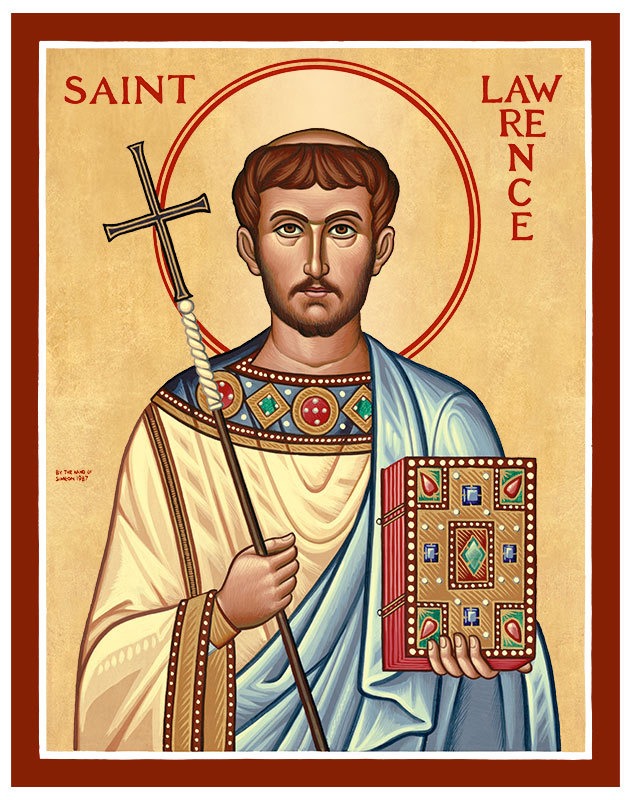
Byzantine-style icon of St. Lawrence
Monastery Icons. (2026).
Berri-UQAM – 1966, Green Line, Orange Line, and Yellow Line
Landmark: Rue Berri and Université du Québec à Montréal
This is our first interchange station, which connects the Orange, Green, and Yellow Lines. The nearby Rue Berri is believed to take its name from Simon Després dit le Berry, who was an early 17th century settler and pioneer in the region. (Theriault, 2018). The oldest segment of the street dates to the 1690s, where the Séminaire Saint-Sulpice was established to train Catholic clergy. (Berri Station – History). The UQAM portion of the name refers to Université du Québec à Montréal, founded in 1969 through mergers of a few smaller local schools, and part of the larger provincial UQ system. This system was modeled on the American University system and designed in response to growing protests at Université de Montréal and Université Laval demanding increased secular education for Francophones. (Ferretti, 1994).
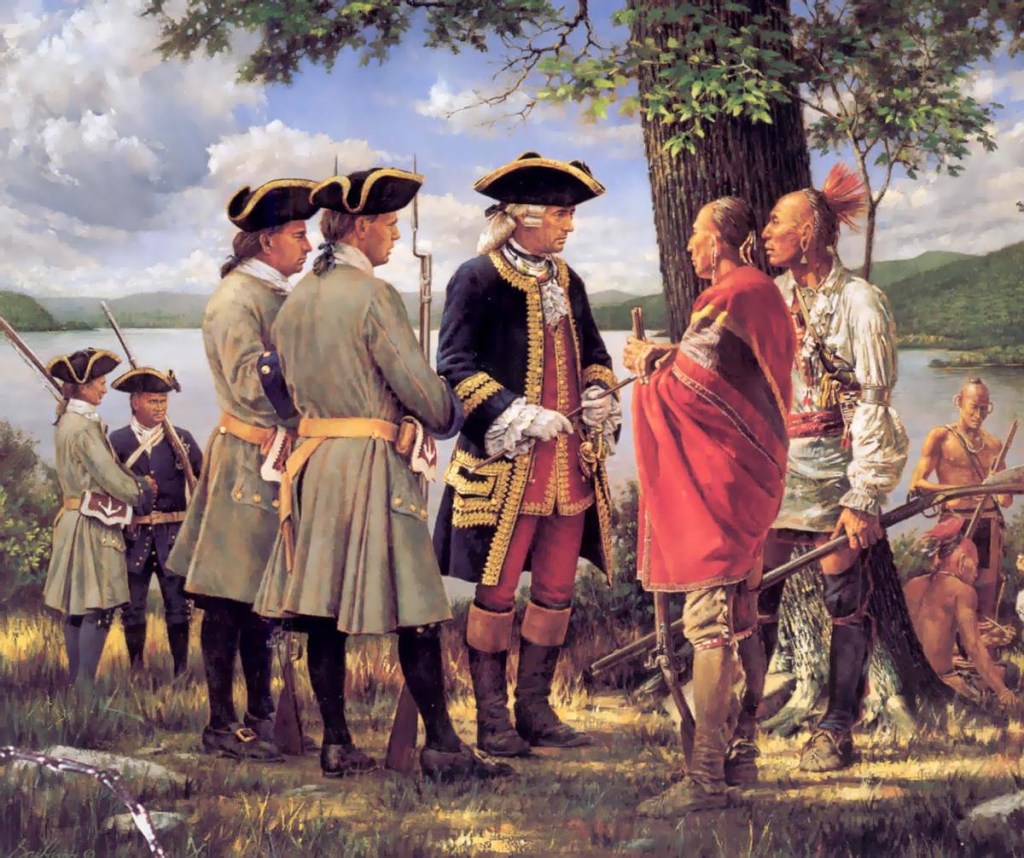
Artistic depiction of settlers meeting with Indigenous people on Montréal Island
Institut Drouin. (2018).
Beaudry- 1966, Green Line
Landmark: Rue Beaudry
Rue Beaudry is possibly named after Pierre Beaudry, who was a landowner in the late 18th and early 19th centuries. He was a businessman who dealt in candles, potash, and soap. (Beaudry Station – History). The mural in the station honors the local Gay Village, which is the largest gay enclave in North America. 17% of residents in the city of Montréal identify as LGBTQ, the second highest of any Canadian metropolitan area (Prokopenko, 2021).
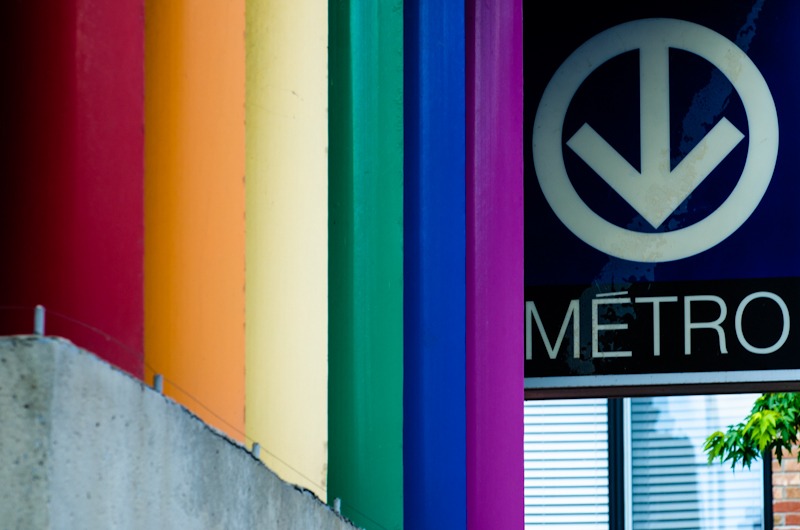
Mural in Beaudry Station honoring local LGBTQ community
Montréal in Pictures. (2012).
Papineau- 1966, Green Line
Landmark: Avenue Papineau
Joseph Papineau was a figure in the history of Lower Canada, serving as a land surveyor, politician, and notary in the colony. His son Louis-Joseph helped lead the Patriots of the Lower Canada Rebellion in defense of French Canadian rights, and was an elected politician himself (Ouellet, 1961). The mural inside the station called Les Patriotes de 1837–1838 depicts fighting from this rebellion. Louis-Joseph Papineau also helped sponsor a law that granted full voting rights to Jews in Québec. Québec has a history of anti-semitism due to a confluence of factors, which I will touch on later in this post.
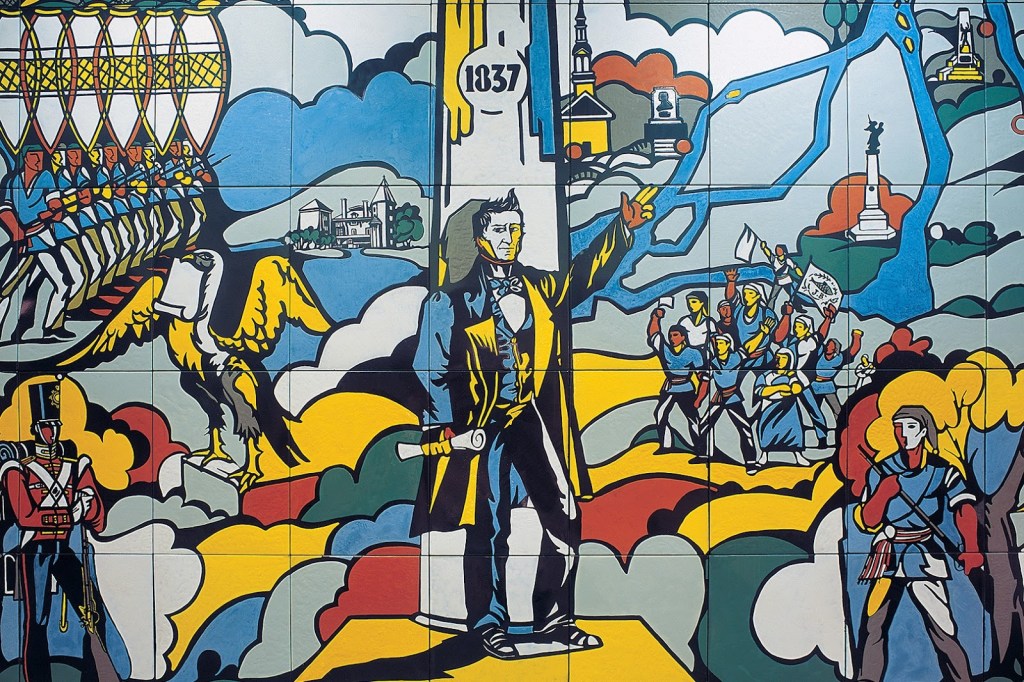
Mural of the Patriot Rebellion
Cartier, J., & Juhasz, G. (1968).
Frontenac- 1966, Green Line
Landmark: Rue Frontenac
Frontenac Station is named for the former Governor-General of New France Louis de Buade de Frontenac, who was responsible for the expansion of profitable colonial enterprises in New France (Gilman, Peck, & Colby, 1905). His complicated legacy includes the sale of alcohol, specifically brandy, to local indigenous peoples, which local bishop Francois de Laval deemed a “mortal sin” (Walsh, 1966). Frontenac also lends his name to the famous Hotel Château Frontenac in Québec City, along with various other North American locales.
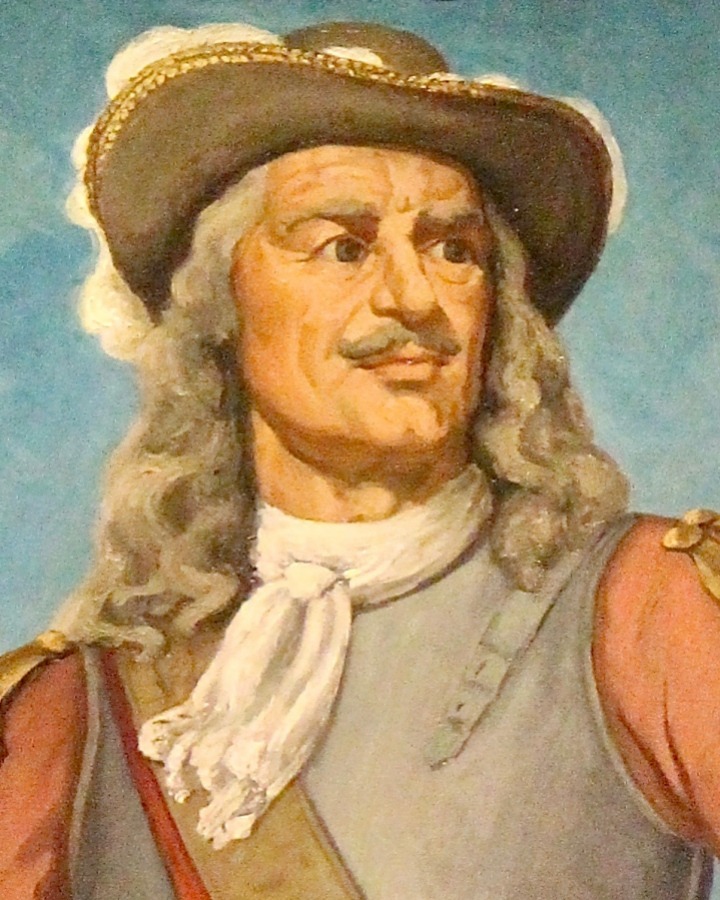
Louis de Buade de Frontenac
Thomas1313. (2018).
Henri-Bourassa – 1966, Orange Line
Landmark: Boulevard Henri-Bourassa
Politician Henri Bourassa gives his name to the local boulevard and station. Notable for his opposition to Canadians being drafted to fight for the British Empire in the Boer War in South Africa (Gomes, 2008), he personifies the tension between the Québécois nation’s interests and those of the British. The Catholic hierarchy of Québec was generally supportive of Britain’s military positions, and Bourassa’s pointed criticism of those bishops foretells the Quiet Revolution’s subversion of ecclesiastical power. Even today, Québec often finds itself positioned against the policies and interests of the rest of Canada, and some hardline nationalists in Québec even view Canada as an occupier or foreign nation imposing its will on the province.
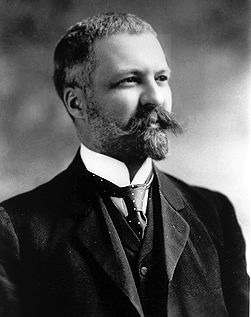
Henri Bourassa
The Canadian Encyclopedia. (n.d.).
Sauvé – 1966, Orange Line
Landmark: Rue Sauvé
Sauvé station is named after Rue Sauvé in the borough of Ahuntsic-Cartierville on the north of the island. But where does the street’s name come from? An old site says that it bears the name of a local landowner whose property crossed the street when it was established in 1912, but provides no further information on the name or background of this landowner (“Sauvé Station – History”). I couldn’t independently verify that this is indeed the namesake of the street either. Even if he isn’t remembered well, his name still lives on through the street and station.
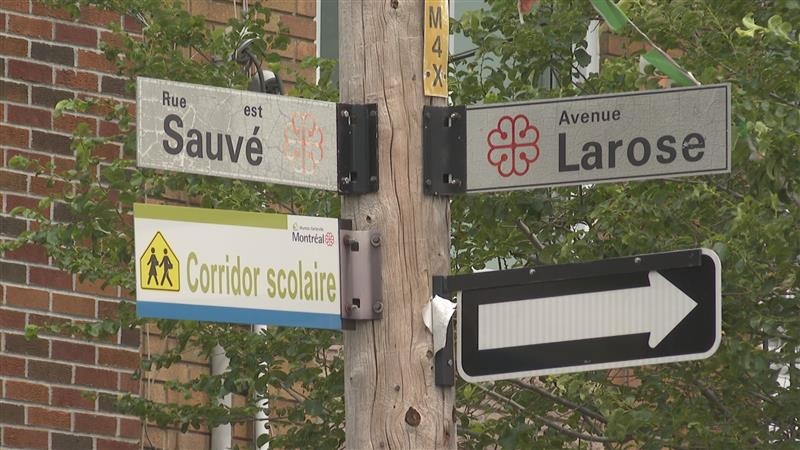
Sauvé street sign
CityNews Montréal. (2025, June 27).
Crémazie – 1966, Orange Line
Landmark: Boulevard Crémazie
Octave Crémazie was a poet from Québec City, well known for his patriotism and way with words. Despite being called “the father of Canadian poetry” (Condemine, 2008), he struggled with debt for much of his life, and ended up fleeing to France and living under fake names. He eventually lent his name to both the street and the station. In the Plateau and Mile-End neighborhoods of Montréal to this day, you will find many starving artists and creatives struggling to make ends meet, much like this famous bard from two centuries earlier.
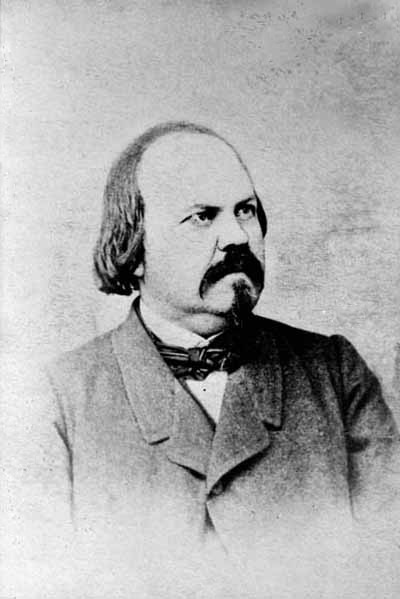
Octave Crémazie
Parks Canada. (n.d.)
Jarry – 1966, Orange Line
Landmark: Rue Jarry
The Jarry family has played a huge role in many public works projects in the city’s history. First, the street’s name comes from an 18th-century island settler by the name of Bernard Bleigner dit Jarry, recorded as a soldier who was granted a land concession in the area (“Bernard Blenier dit Jarry (Bleigner).”). His descendants held such important positions as mayor of Saint-Laurent (later amalgamated into Montréal) and city councillor. That same city councillor Raoul Jarry had Jarry Park named after him, which was the home of the now-defunct Montréal Expos baseball team (Costello, 2011).
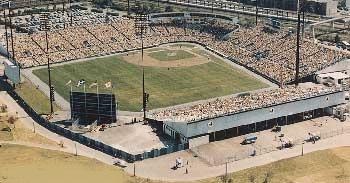
Overview of the old Jarry Park, home of the Expos
Society for American Baseball Research. (2012).
Jean-Talon – 1966, Orange Line and Blue Line
Landmark: Rue Jean-Talon
Rue Jean-Talon is another street and station that is named after a colonial-era figure. Jean Talon himself was an administrative figure in New France, the French colonial possession that would become modern Québec (Vachon, 2003). The future Blue Line will also connect to this station. Talon was influential in inviting over 800 women to the colony from France, who were known as the filles du roi, or daughters of the king (Lanctôt, 1952). These women were brought in basically to increase the population of French settlers, by marrying and having children with the working men who had already arrived. Many Québécois who use this station might even trace their ancestry to those filles du roi. There’s a wonderful farmer’s market called Marché Jean Talon in the area of the station. On my first ever trip to Montréal in 2021, I was on my way to the farmer’s market when I stopped and talked to some people painting a wall. I asked if I could help and they said sure! So I helped them paint a wall, and they recommended that I buy fresh strawberries at the market.
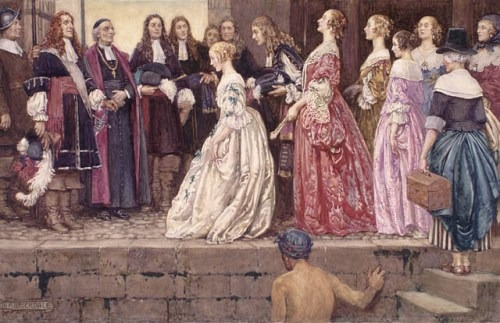
Artistic rendering of the filles du roi
Brickdale, E. F. (c. 1910).
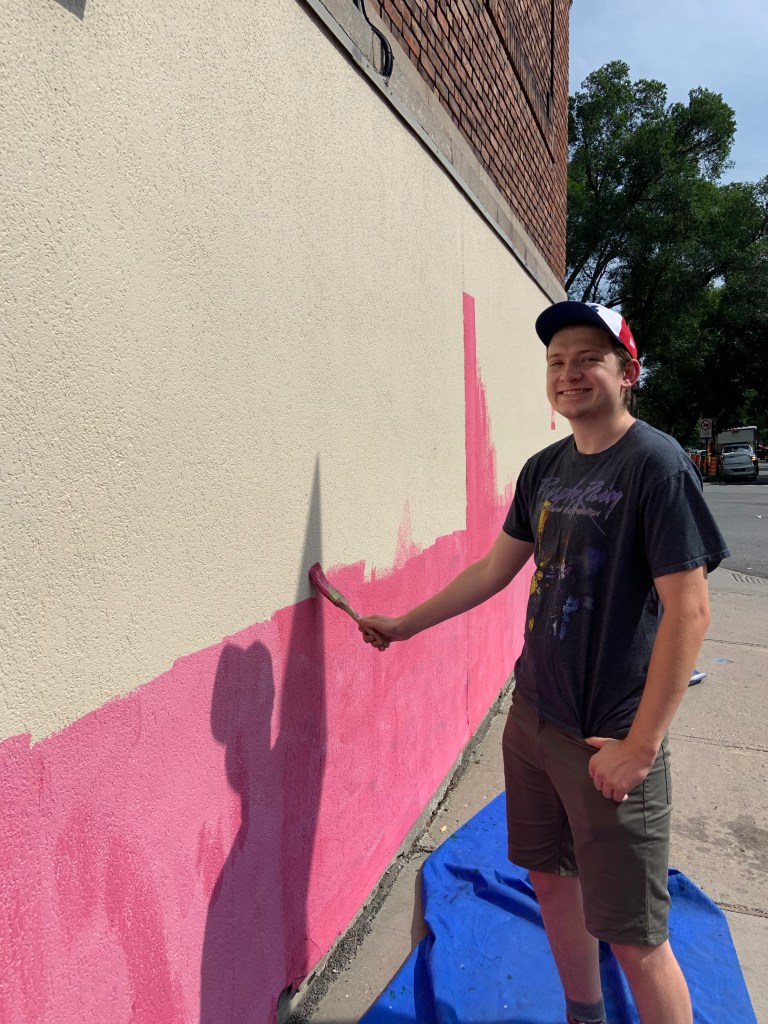
Me painting a wall near Jean-Talon Station
Beaubien – 1966, Orange Line
Landmark: Rue Beaubien
Pierre Beaubien was a doctor and politician in the 19th century, which in 1867 saw Canada first form as an independent country. As both a councilman for the city of Montréal and a member of the Legislative Assembly (equivalent to the House of Commons in modern Canada), he left his impact on both national and local politics (Careless, 1967). Fun fact, his investment in real estate development on the island resulted in the creation of Outremont, one of the swankiest neighborhoods of Montréal.
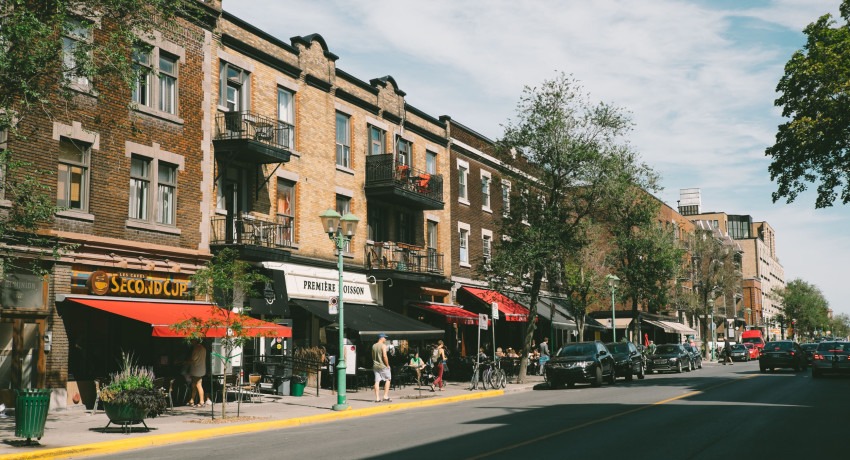
A typical Outremont borough street
Genest & Marinacci, Real Estate Brokers. (n.d.).
Rosemont – 1966, Orange Line
Landmark: Boulevard Rosemont
Rosemont is named after the former village of Rosemont located on the boulevard, now part of the borough Rosemont-La-Petite-Patrie. You’ll notice now and through many of these station histories that Montréal has amalgamated and absorbed many small surrounding municipalities throughout its history. Rosemont got its name from land speculator Ucal-Henri Dandurand, who purchased the area in and named it after his mother, Rosa (“Montréal, ville dépressionniste”, 2017). It’s nice to hear someone name something after their mother instead of themself for once!
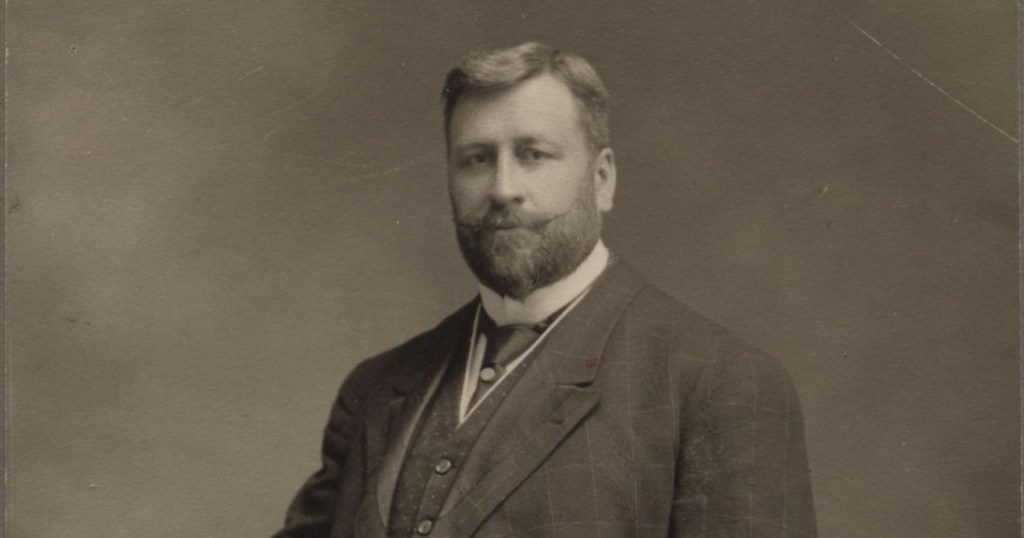
Ucal-Henri Dandurand
Centre d’histoire de Montréal. (n.d.).
Laurier – 1966, Orange Line
Landmark: Avenue Laurier
This station and street have a very straightforward attribution; they are named after Sir Wilfrid Laurier, who was the first French-Canadian prime minister of Canada, and a respected figure in Canadian and Québécois popular consciousness to this day (Hillmer & Azzi, 2011). Below is a photo that I took of a monument to Wilfrid Laurier in Dorchester Square, which is a big public space in Montréal. This was in 2021, during my first ever visit to the city.
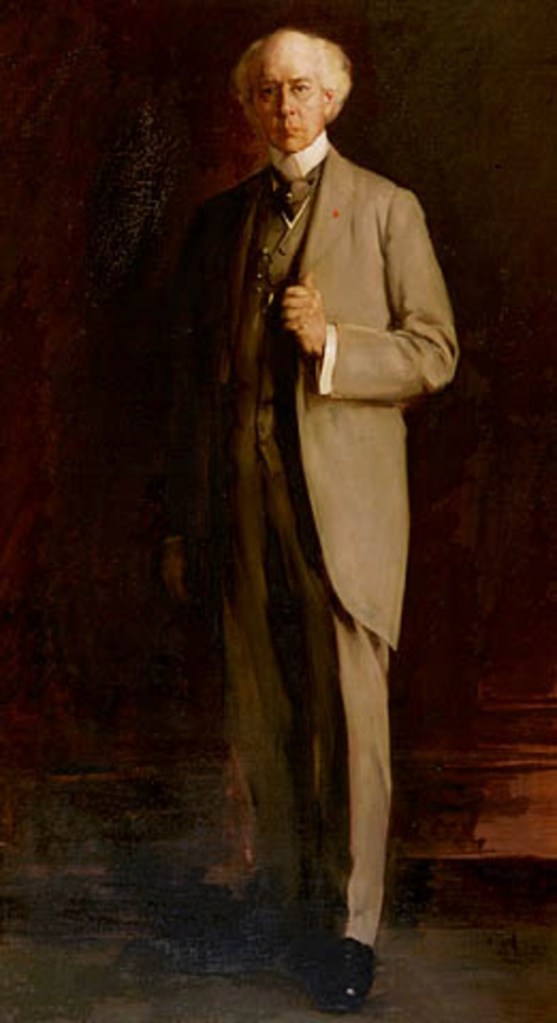
Wilfrid Laurier
Unknown artist. (n.d.).
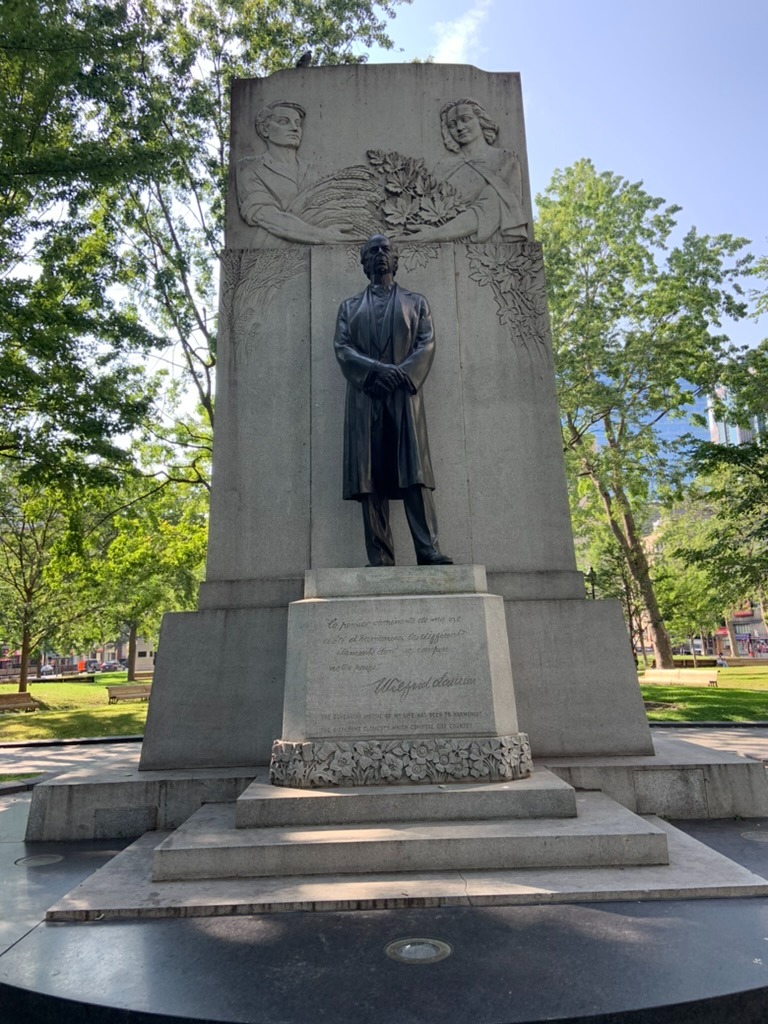
Laurier statue and monument
Mont-Royal – 1966, Orange Line
Landmark: Avenue du Mont-Royal and Mount Royal
Mont-Royal, or Mount Royal in English, is the small mountain in the middle of the island that lends its name to the city, the station, and the street. How exactly Mont-Royal metamorphosed to Montréal is the subject of some linguistic debate due to mismatched etymologies (Bernier, 2008), but that’s beyond the scope of the article. I have a small graphic below showing how the words royal and réal descend from separate Latin words. A prominent Latin Cross tops Mont-Royal, whose summit by law cannot be exceeded by any building in the city. This is a stark reminder of the former dominance and omnipresence of the Catholic Church.
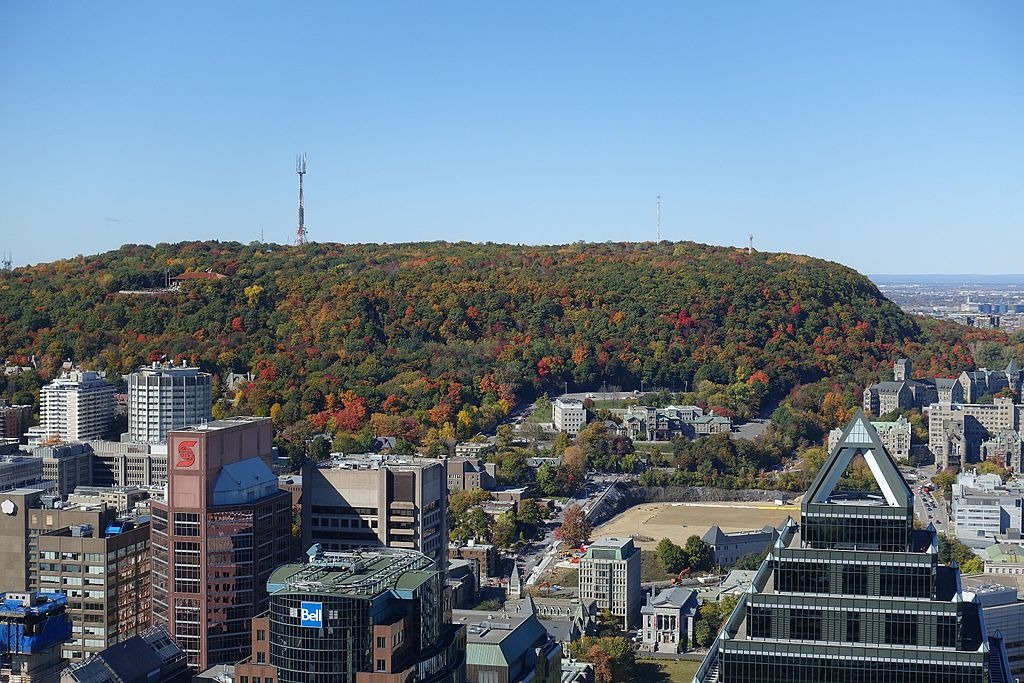
Mount Royal in the middle of the island
Noakes, T. C. (2021).
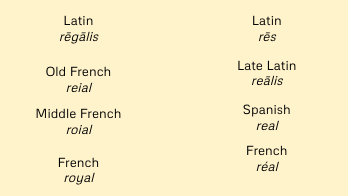
Mismatched etymologies of royal and réal
Sherbrooke – 1966, Orange Line
Landmark: Rue Sherbrooke
John Coape Sherbrooke was an administrator and officer of the British armed forces during the pre-confederation era of Canada. His collection of customs duties while an officer in the Navy provided part of the revenue that helped found Dalhousie University, a respected institution in Halifax, Nova Scotia (Burroughs, 1987). He later served as the Governor General of Lower Canada which is the official representative of the monarch. He must have been pretty well-liked to get a street, station, and city named after himself, right? Actually, contemporaries described him almost unanimously as a foul-mouthed hothead (Heathcote, 2010), if not one who was extremely passionate and a good motivator of troops.
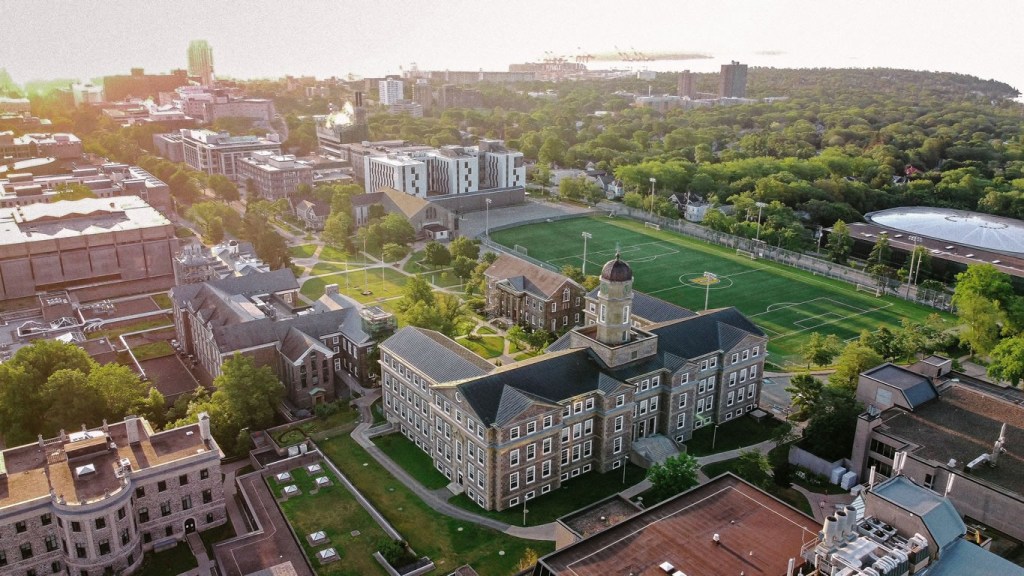
Campus of Dalhousie University
Association of Atlantic Universities. (n.d.).
Champ-de-Mars – 1966, Orange Line
Landmark: Champ-de-Mars
This station is not named for a street, but rather the Champ-de-Mars public park located in the vicinity. This is not to be confused with the famous Champ-de-Mars of Paris, the green space which leads up to the Eiffel Tower, which was itself named after the Campus Martius in ancient Rome. The Campius Martius were grounds used for marching and drilling soldiers in the Roman legions. All three of these spaces’ names reflect the fact that they were used as space for training soldiers at some point. Mars, of course, is the Roman god of war, so a place associated with war, soldiers, and battle is very aptly named for him (Jacobs III, 2014).
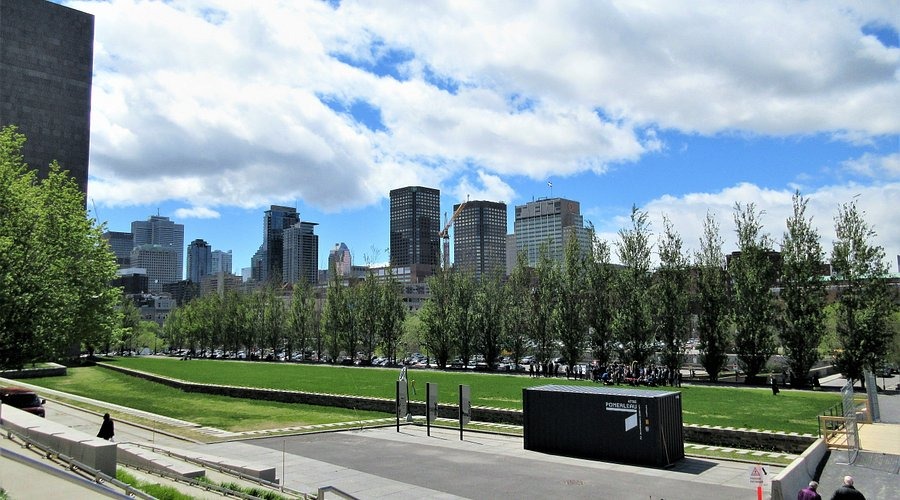
Champ-de-Mars in Montréal
Tripadvisor. (n.d.).
Place-d’Armes – 1966, Orange Line
Landmark: Place-d’Armes
The Place-d’Armes is a street and public square slightly to the south of the station. Located in the oldest part of the city, where the streets are still made of cobblestone, the square contains a monument to Paul de Chomedey de Maisonneuve, who founded Montréal under its original name of Ville-Marie (more on that name later) (Art Public Montréal). Also in the square in the famous Notre-Dame-de-Montréal Basilica, one of the world’s most stunning examples of Gothic Revival architecture.
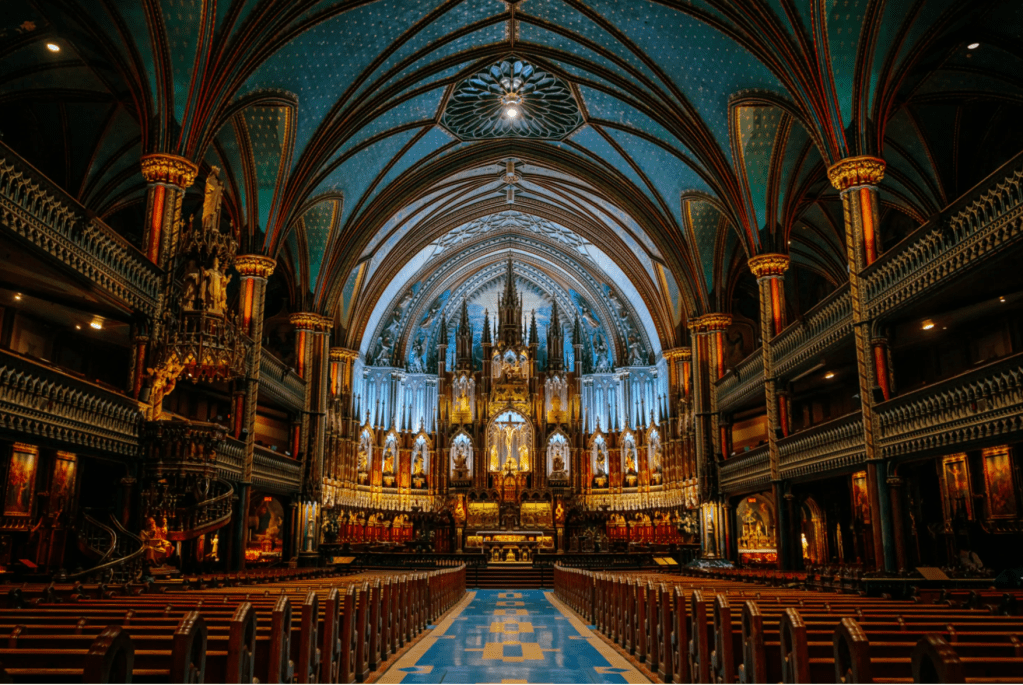
High altar of the basilica
Notre-Dame Basilica of Montréal. (n.d.).
Jean-Drapeau (formerly Île-Sainte-Hélène) – 1967, Yellow Line
Landmark: Rue Sainte-Hélène
Previously known as Île Sainte-Hélène, the station, street, and small island upon which it is located are all named for the Catholic Saint Helen, mother of the Roman Emperor Constantine. As a Christian prior to Constantine’s conversion, she would have been an early influence on her son’s eventual adoption of the faith. She is considered absolutely crucial in the spread of Christianity across the west due to Constantine later making Christianity the state religion in the Roman Empire, with some denominations venerating her as “equal to the apostles” (Greek Orthodox Archdiocese of America). The Montréal Biosphere, a remnant of the Expo ‘67 World’s fair, stands on the island alongside the Six Flags La Ronde Amusement Park. Jean-Drapeau, the new namesake of the station, was mayor of Montréal in two separate stints, and a monumental figure in the 20th century of Montréal. He is widely credited with beginning the project of the metro’s construction, planning the Expo ‘67, and securing Montréal as the host city for the 1976 Summer Olympics (STM, 2000). It seems appropriate for a station named after a saint to be renamed for a secular figure, given the rapid secularization of Québec during the Quiet Revolution.
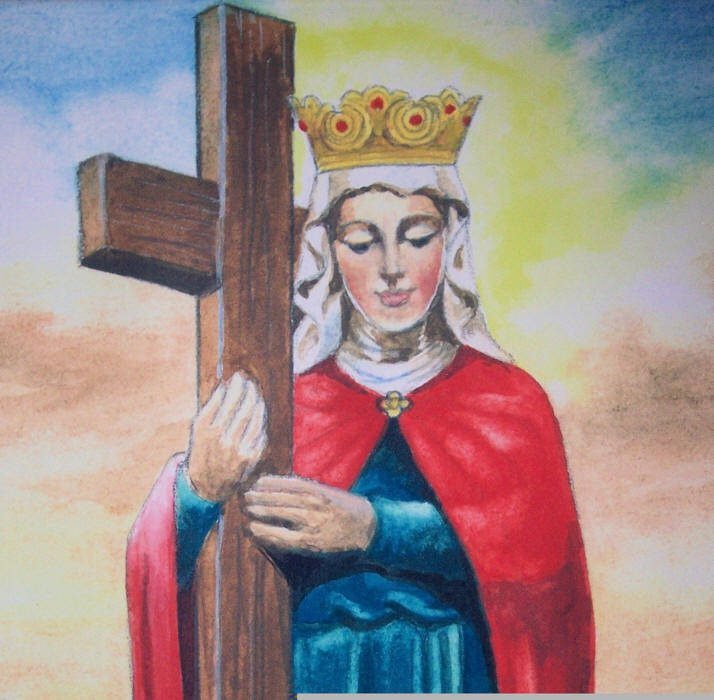
St. Helen, mother of Constantine, holding the True Cross
St. Helen Catholic Church. (n.d.).
Longueuil-Université-de-Sherbrooke – 1967, Yellow Line
Landmark: City of Longueuil and Université-de-Sherbrooke
The very short Yellow Line terminates in the off-island suburb of Longueuil, pronounced like long-oy (check out that spelling for a taste of French orthography!). Formerly known simply as Longueuil, the station and city were named for a town in Normandy, France by its founder Charles Le Moyne in the 17th century (Linteau & Poitras, 2012). Later, the station got an additional descriptor for the Université-de-Sherbrooke campus located in the vicinity. The university was named after our previously-mentioned John Coape Sherbrooke.
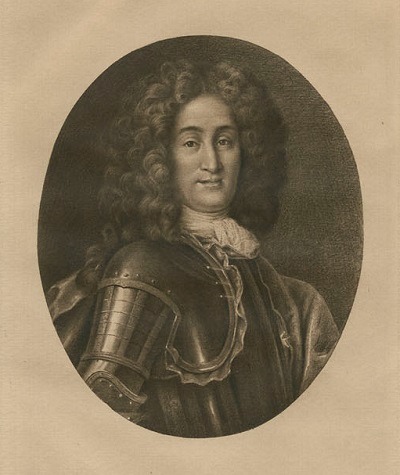
Charles Le Moyne
Library and Archives Canada. (n.d.).
Square-Victoria-OACI – 1967, Orange Line
Landmark: Square-Victoria and the ICAO Building
Victoria Square, or Square-Victoria in French, is another public space in Downtown Montréal. The square was named for Queen Victoria when her son, the future King Edward VII, paid a visit to Canada in 1860 (Communauté urbaine de Montréal, 1989). As for the second part of the name, that was only tacked on in 2014, to celebrate the 70th anniversary of the ICAO’s presence in the city (Huffington Post, 2014). The ICAO, or OACI in French, is the International Civil Aviation Organization, which helps facilitate international air transport. Their headquarters are conveniently right outside the Metro station.
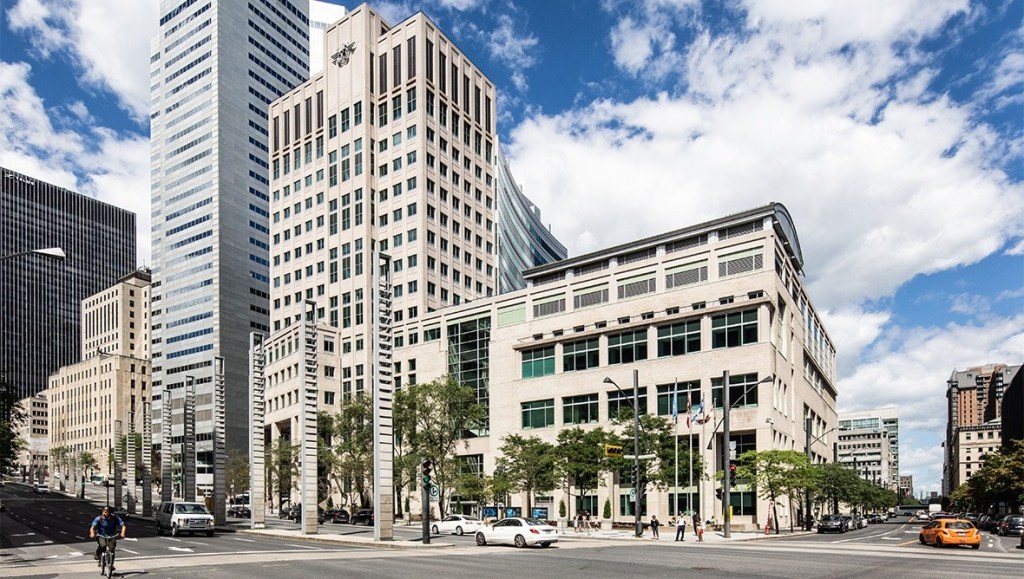
ICAO Headquarters in Montréal
Divco. (n.d.).
Bonaventure – 1967, Orange Line
Landmark: Place Bonaventure
Bonaventure Station serves as a hub for rail transport in Greater Montréal, as it links directly with Central Station (Gare Centrale in French), which serves Amtrak and ViaRail passenger trains, EXO Commuter Rail, and the recently-opened REM Light Metro. The nearby Place Bonaventure is a hotel and office building complex, which was the world’s second largest commercial building when it was finished in 1967 (Viloria). The space was named after the former passenger railway station also called Bonaventure, which took its name from the Rue Saint-Bonaventure, now called Rue Saint-Jacques. The street was originally named for St. Bonaventure, a 13th-century Catholic bishop and theologian.
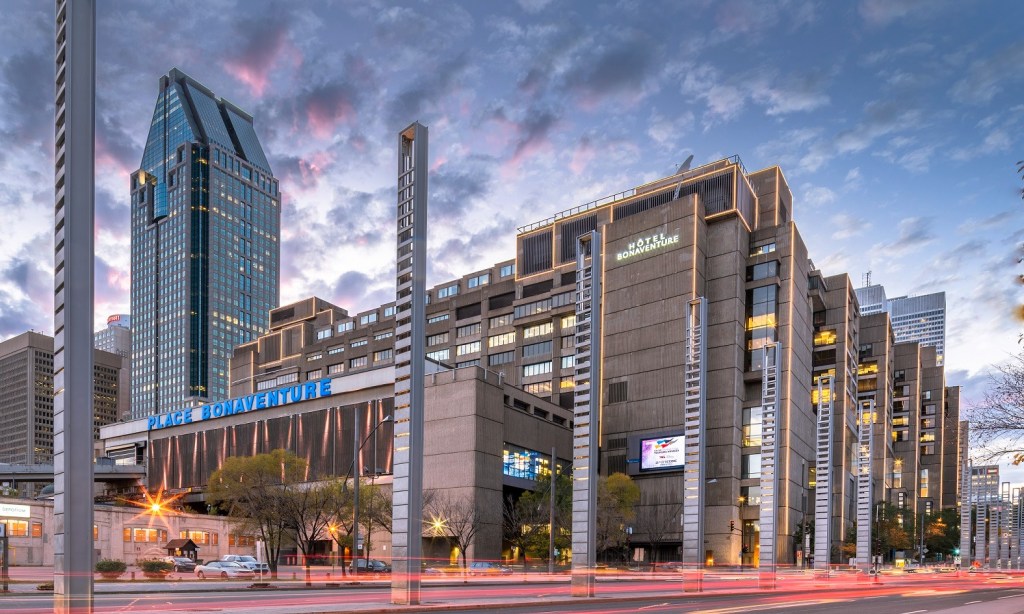
Place Bonaventure office building
Kevric Real Estate. (n.d.).
The 1970’s
In 197o’s, we will see the first major expansion of the Metro, with the Green Line extending from Frontenac to its modern eastern terminus of Honoré-Beaugrand. The first major renovations were completed just in time for Montréal to host the 1976 Summer Olympics. The 1976 Olympics suffered from a boycott from many African nations due to the IOC not banning New Zealand after New Zealand’s refusal to boycott Apartheid South Africa’s all-white rugby team (Espy, 1981). Cold War politics resulted in boycotts at the 1980 and 1984 Olympics Games in Moscow and Los Angeles also. Canada sadly did not win a single gold medal at the 1976 Olympics, and the entire games were a massive financial and planning disaster for the city (Patel, Bosela, & Delatte, 2013). Mayor Jean Drapeau had confidently guaranteed that the Olympics would be financially successful, saying that “The Olympics can no more have a deficit than a man can have a baby”. Once it became clear that the games would lose money, the English-language Newspaper The Montréal Gazette released a hilarious cartoon of a pregnant Drapeau calling up the controversial abortion rights activist and doctor Henry Morgentaler (Aislin, 2021). In 1978, the Green Line extended to its modern length, reaching down to Angrignon station (Guimont, 2007). Although no new connections to existing stations were built at the time, Lionel-Groulx would eventually gain an interchange with the Orange Line. Discussions are still ongoing and surveys are still being undertaken to determine if the Green Line can be expanded further westwards, but for now, the Green Line stations from the 70’s are the final stations on that line. Anyway, let’s start by looking at those stations that were completed as part of the Olympic expansion, then we will look at 1978’s openings.
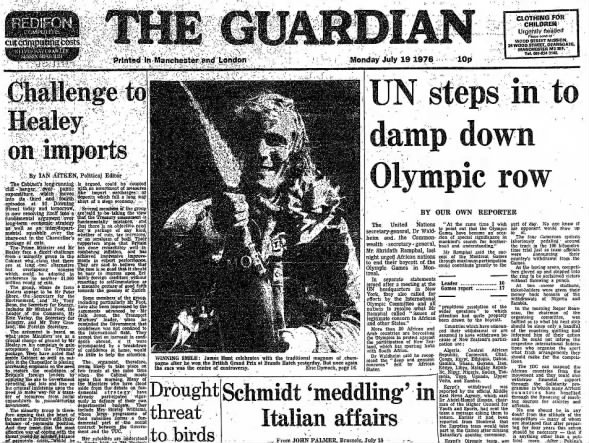
The Guardian reports on the 1976 Olympic Boycott
Associated Press. (1976).
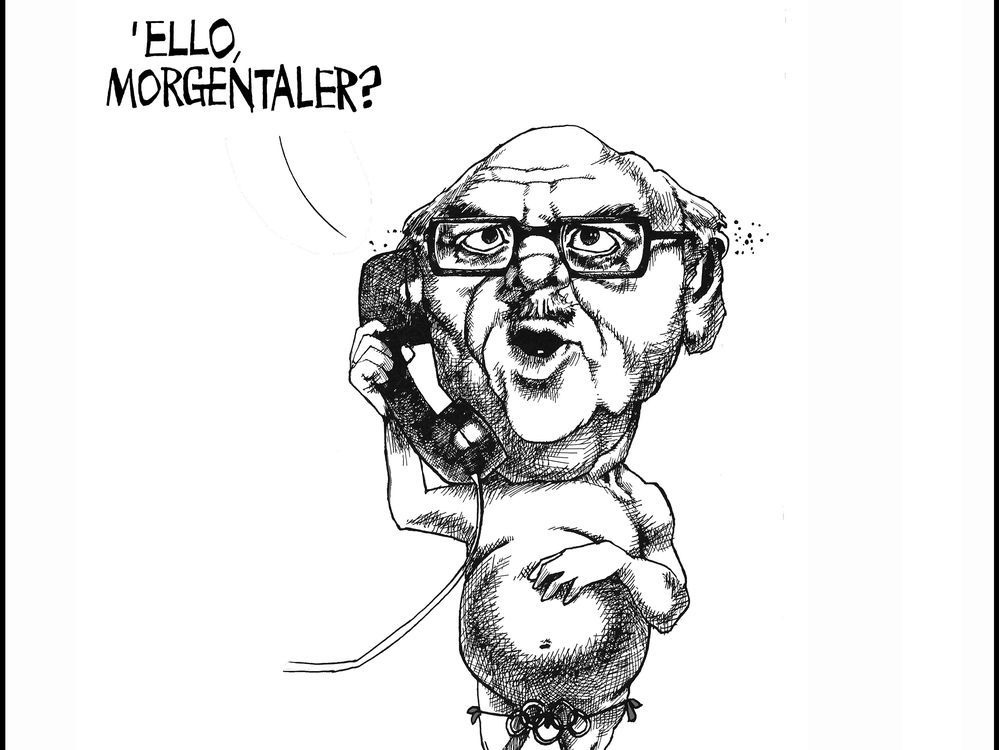
Satirical cartoon depicting a pregnant Drapeau
Aislin. (1974).
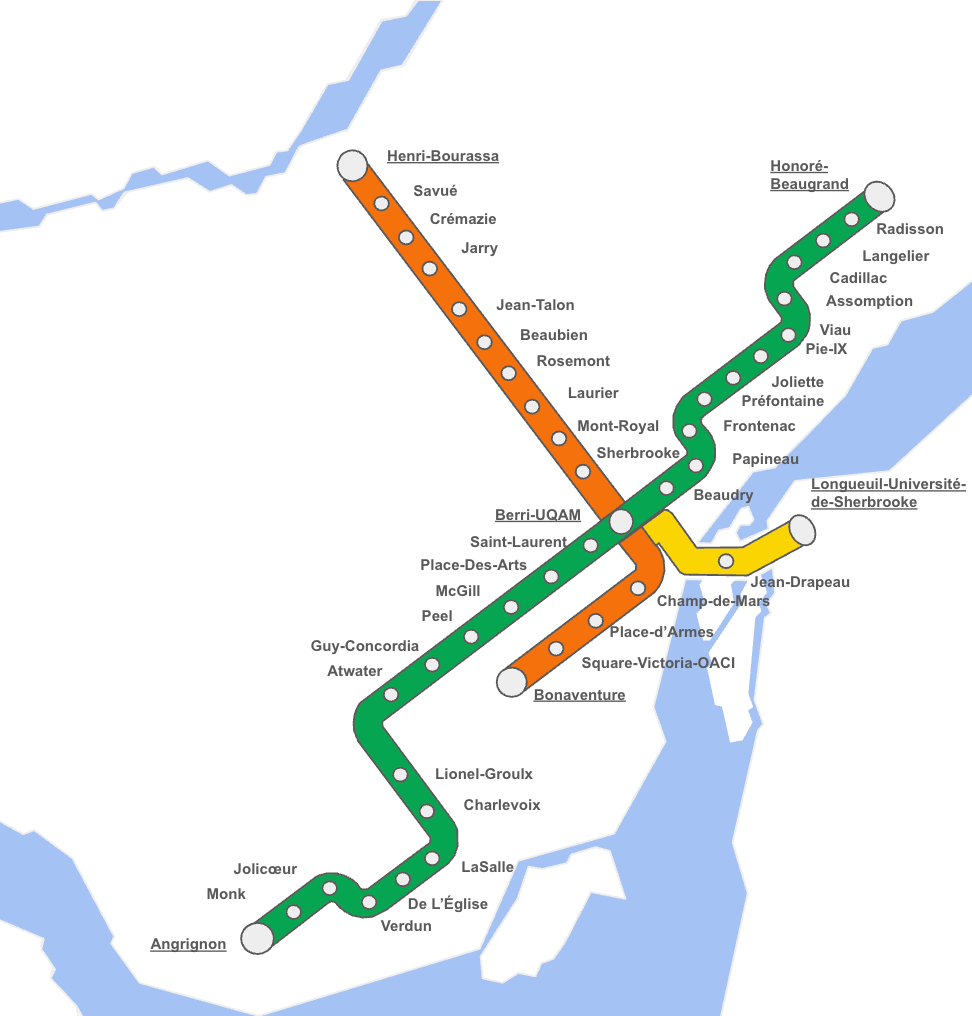
Montréal Metro at the end of the 1970’s
Préfontaine – 1976, Green Line
Landmark: Rue Préfontaine
Raymond Préfontaine gives his name to the local street, station, and Parc Raymond-Préfontaine. The man was a politician and mayor of the on-island suburb of Hochelaga, and later became mayor of Montréal proper (Brassard & Hamelin, 1994). Prefontaine also served as a federal Member of Parliament for the Québec riding of Terrebonne. A riding, by the way, is equivalent to an American congressional district. Like other suburbs and municipalities near Montréal, Hochelaga was eventually absorbed into the city proper, and now exists as the borough of Mercier-Hochelaga-Maisonneuve.
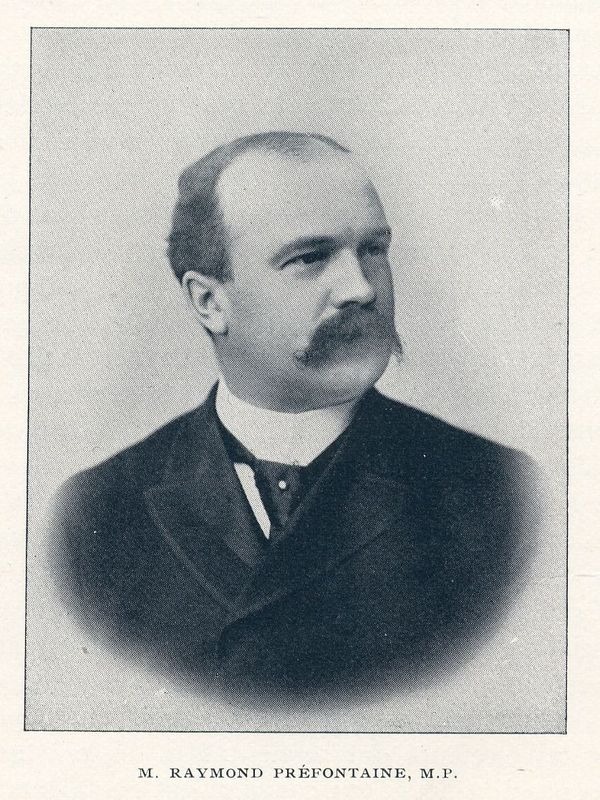
Raymond Préfontaine
Library and Archives Canada. (n.d.).
Joliette – 1976, Green Line
Landmark: Rue Joliette
Barthélemy Joliette was a member of the elite class called seigneurs, who were basically landowners within the semi-feudal system that began during the New France era in Québec. Some scholars have opined that this system resulted in economic disparity between Québec and the other provinces of Canada during the 19th and 20th centuries (Geloso & Rouanet, 2024). Joliette was a captain in the Canadian (really the British) army during the War of 1812, which saw fighting break out over various tensions between the United Kingdom and the United States (Robert, 2013).
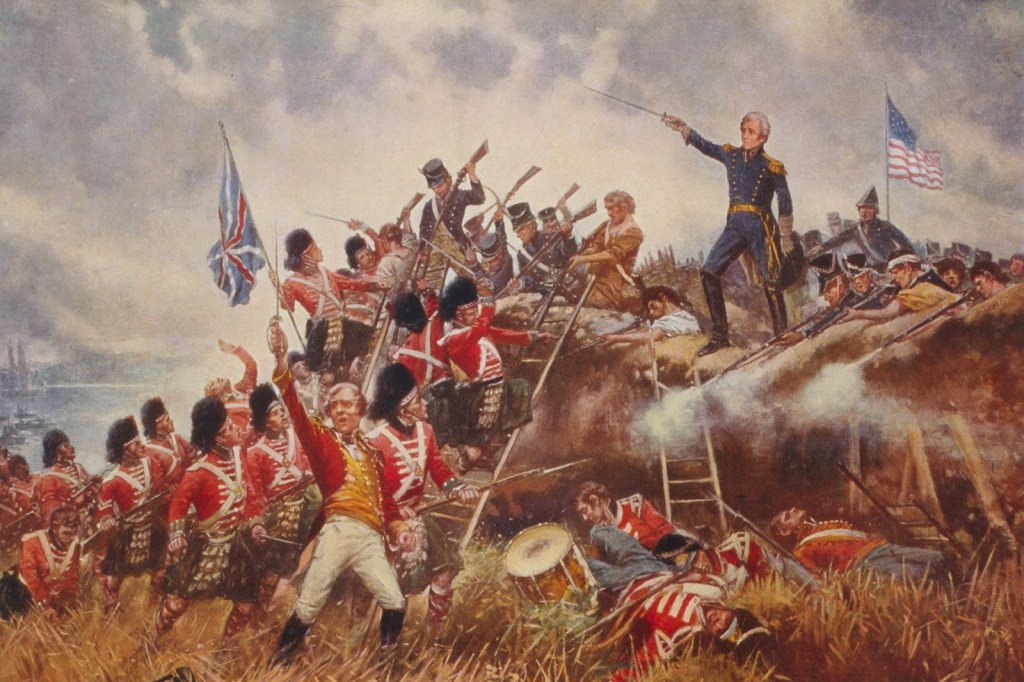
A battle during the War of 1812
Moran, E. P. (1910).
Pie-IX – 1976, Green Line
Landmark: Boulevard Pie-IX
The station and street are named after Pope Pius IX, the longest verifiable reigning pope of all time from 1846 to 1878. St. Peter’s reign may have been longer, but the exact dates of his papacy are not historically verifiable (Saint Peter: The First Pope). There is also a bridge connecting Montréal and the suburb of Laval named after Pius IX. (Bisson, 2014). Laval is located on Île Jésus, or Jesus Island, which is a quintessentially Catholic placename .
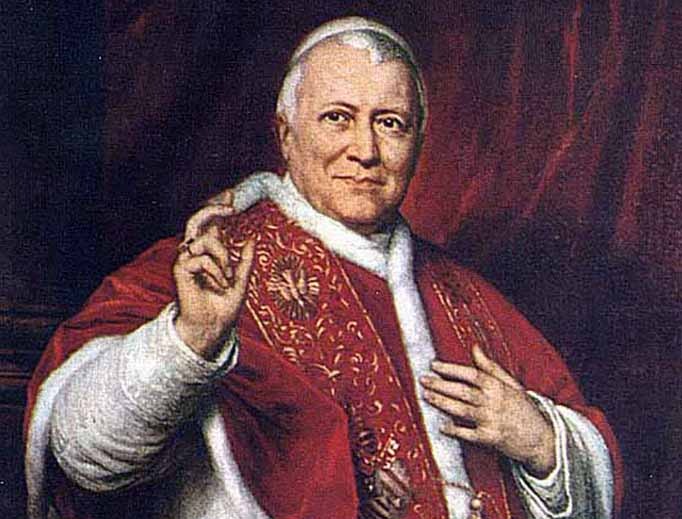
Pope Pius IX
Healy, G. P. A. (1871).
Viau- 1976, Green Line
Landmark: Rue Viau
Viau station and Rue Viau are named for the industrialist Charles-Théodore Viau, who developed an industrial neighborhood in the borough of Mercier-Hochelaga-Maisonneuve called Viauville in 1892 (Gilbert). Viau Station is also directly in the proximity of Montréal’s Olympic Stadium, which was constructed for the 1976 Summer Olympic Games. The Expos also moved in Olympic Stadium once the Olympics were over, first starting in the 1977 season of Major League Baseball.
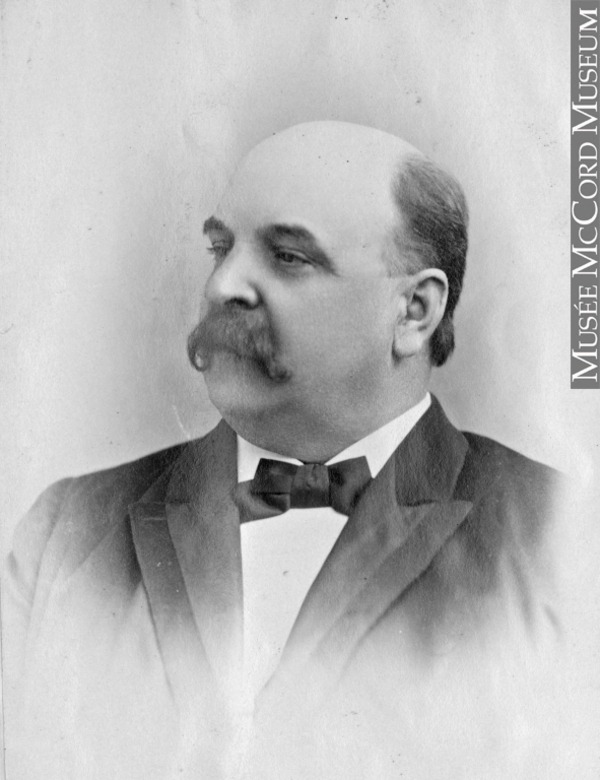
Charles-Théodore Viau
Notman & Son. (1893).
Assomption- 1976, Green Line
Landmark: Boulevard Assomption
Much like Guy-Concordia, this station is still sometimes called by its former name “L’Assomption”. The street and station reference the dogma of the Assumption of Mary, defined by the Catholic Church and the Pope in 1950 (Pius XII). Although Québec became a strongly secular state during and after the Quiet Revolution, Roman Catholicism still plays a strong role in the history and culture of the province. For a particular example, the Diocese of Trois-Rivieres has 98.3 percent of the population within its borders identifying with the Catholic Church, according to the 2022 stats from the Diocese. (Archdiocese of Trois-Rivières). The Quiet Revolution’s effect on religion was basically the slow, gradual change of Québec from an extremely poor, religious, and socially conservative society into an economically modern, liberal, and secular welfare state.
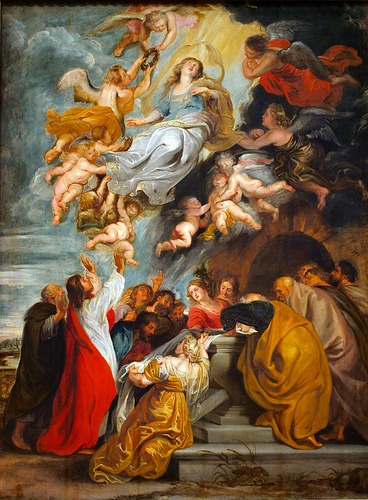
Painting depicting the Assumption of Mary
Rubens, P. P. (1626).
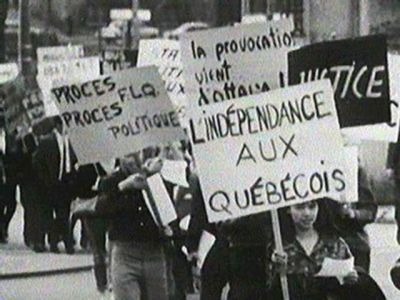
Protest during the Quiet Revolution
McLuhan Galaxy. (2020, October 22).
Cadillac- 1976, Green Line
Landmark: Rue de Cadillac
The name of the station is pronounced like the car brand, even though the actual French pronunciation of the figure for whom it’s named was Kad-ee-yak. The man himself was Antoine de la Mothe Cadillac, a French explorer of the late 17th and early 18th centuries, who traveled through New France and ended up founding the city of Detroit. The car brand was also named after him, and his personal coat of arms became the basis for the logo of Cadillac, a company based in Detroit (Lewis, 2023). This is only one of the many connections between Montréal and other major world cities.
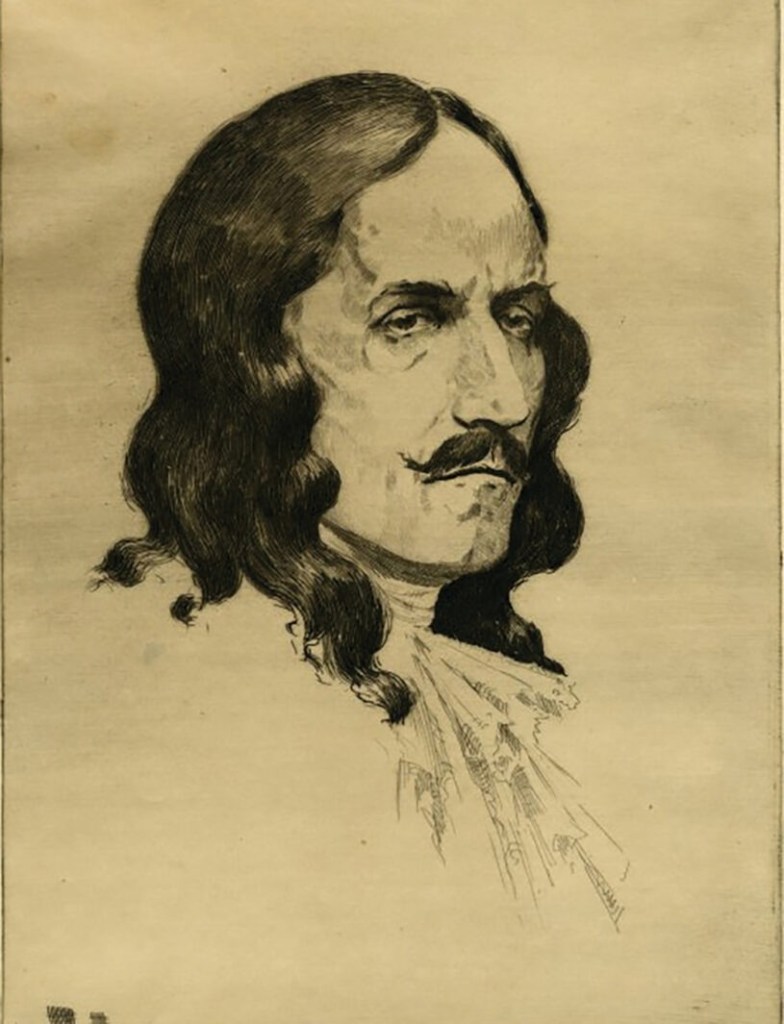
Antoine de la Mothe Cadillac
Barker, C. A. (c. 1930).
Langelier- 1976, Green Line
Landmark: Boulevard Langelier
Sir François Langelier was a politician in the late 19th and early 20th centuries who held a variety of positions in the provincial government, including being the mayor of Québec City and the Lieutenant Governor of Québec (Saint-Pierre, 2003). Langelier was also knighted in 1907, which since 1919’s Nickle Resolution is no longer an honor that Canadians can receive (Blatherwick, 2016). Speaking of the monarchy, the strongly nationalist political climate of modern Québec manifests itself in nearly unanimous hatred of the Canadian monarchy among the general populace.
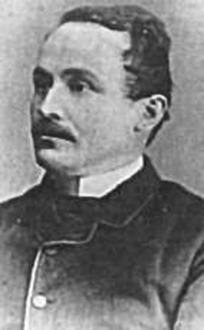
Sir François Langelier
Livernois, J. E. (n.d.).
Radisson- 1976, Green Line
Landmark: Rue Radisson
The station is named for the explorer Pierre-Esprit Radisson, who helped found the Hudson’s Bay Company (The Explorers: Pierre-Esprit Radisson 1659–1660). The famous Canadian Hudson’s Bay department stores, which are currently going defunct, actually trace their lineage to that same colonial endeavor (Newman, 1985). Colonial explorers and settlers are a very common source of names for these stations, as you can see. There is also a very small town called Radisson in Québec, which is the northernmost non-Indigenous settlement in the province.
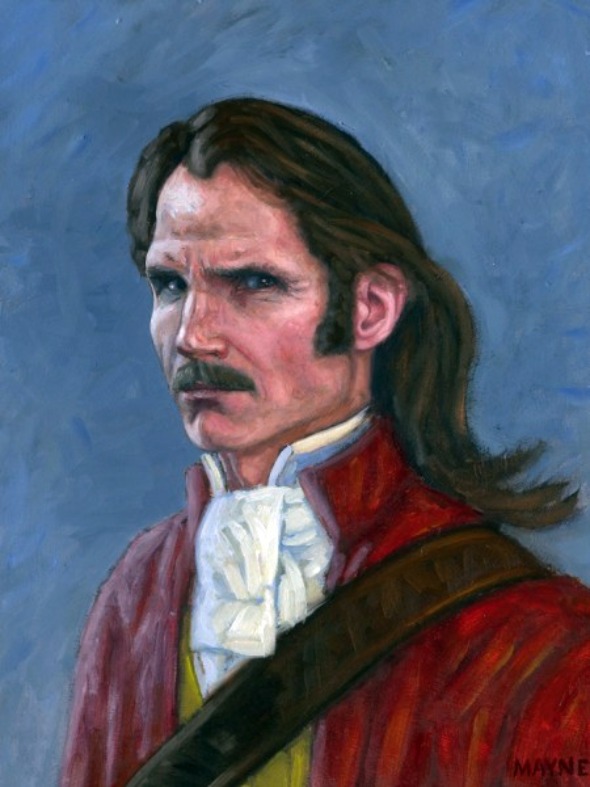
Pierre-Esprit Radisson
Unknown artist (n.d.).
Honoré-Beaugrand – 1976, Green Line
Landmark: Rue Honoré-Beaugrand
The politician, writer, and folklorist Honoré-Beaugrand lends his name to this station. Beaugrand recorded a version of the famous French-Canadian folk tale Chasse-Galerie about a group of loggers in rural Québec who make a deal with the devil to ride in a flying canoe (Beaulieu, 2002). I saw the real painting of the image below at Montréal’s Museum of Fine Arts in 2022. If you look it up on YouTube, there’s an excellent animated retelling of this folk tale which was funded by the Canadian Government. Honoré-Beaugrand station became the eastern terminus of the Green Line when it opened in 1976, and remains so today. Speaking of directions, Montréal has an interesting way of telling directions. Like Manhattan, Montréal is on an island that is tilted at an angle, which results in the slight offset of all directions. So what Montréalers call east is actually north-east.
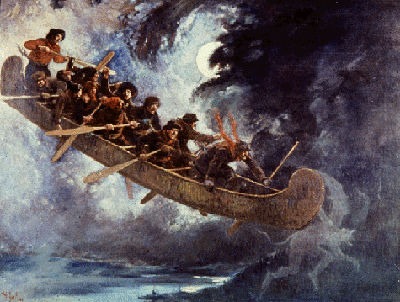
Painting of the flying canoe in the Chasse-Galerie story
Julien, H. (1900).
Lionel-Groulx – 1978, Green Line and Orange Line
Landmark: Rue Lionel-Groulx
For this station, I’m going to connect a few different threads we’ve seen through the history of Montréal. Lionel Groulx was an extremely important figure in pre-Quiet Revolution Québec, being a historian, Catholic priest, and influential intellectual in the 20th century. Groulx was part of the committee that helped discuss the eventual design of the fleur-de-lis flag of Québec, along with the long-serving Premier and archconservative Maurice Duplessis. The flag was adopted on January 21st, 1948 (Bouvier, 2004). In recent years, there have been calls to rename the station after the acclaimed Jazz Pianist and Black Anglophone Montréaler Oscar Peterson, due to allegations of anti-semitic views expressed by Groulx (Meagher, 2020). But Groulx wasn’t alone in expressing anti-semetic views among Québecers in the early 20th century. In fact, fascist sympathies and anti-semitism resulted in openly Pro-Nazi sentiment being common in 1930s Québec. Montreal is now a center for Jewish life in Canada, with many prominent Jewish institutions including Schwartz’s Hebrew Deli and the Dora Wasserman Theatre, one of the world’s only remaining Yiddish theatres (Hustak, 2003). Despite that history of fascist rhetoric, Montréal is now the Canadian city with the strongest vocal opposition to Zionism, which I believe is the modern descendant of 20th century fascism and racial supremacy.
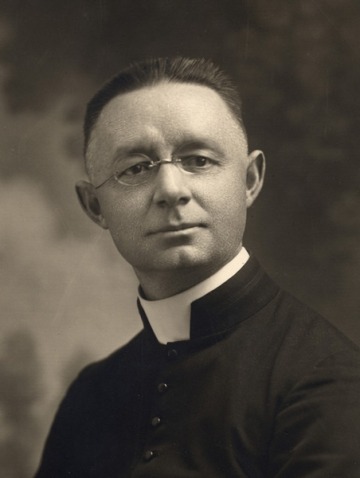
Lionel Groulx
Bibliothèque et Archives nationales du Québec. (n.d.).
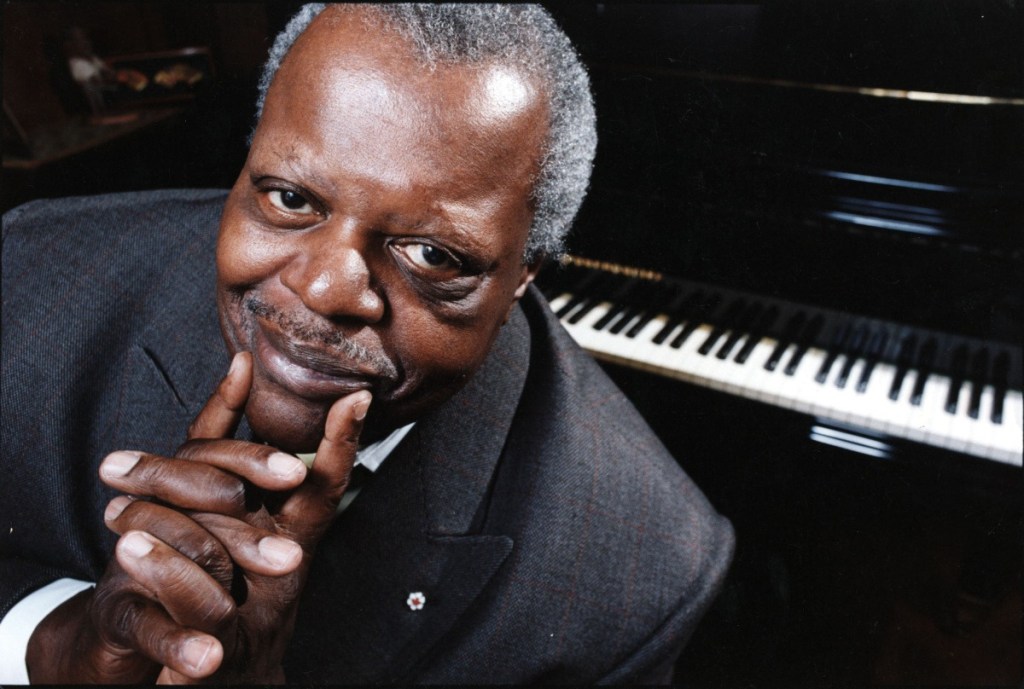
Oscar Peterson
The JUNO Awards. (n.d.).
Charlevoix – 1978, Green Line
Landmark: Rue Charlevoix
Pierre François Xavier de Charlevoix was a Jesuit missionary to New France (Spillane, 1913). The Jesuits are members of a Catholic religious order called the Society of Jesus, which is the largest of all Catholic religious orders. Former Pope Francis was a member of the Society of Jesus, and their pastoral approach to theology was a big influence on his approach to the Papacy. Charlevoix is sometimes called the first historian in New France, writing for a local paper called the Journal de Trévoux.
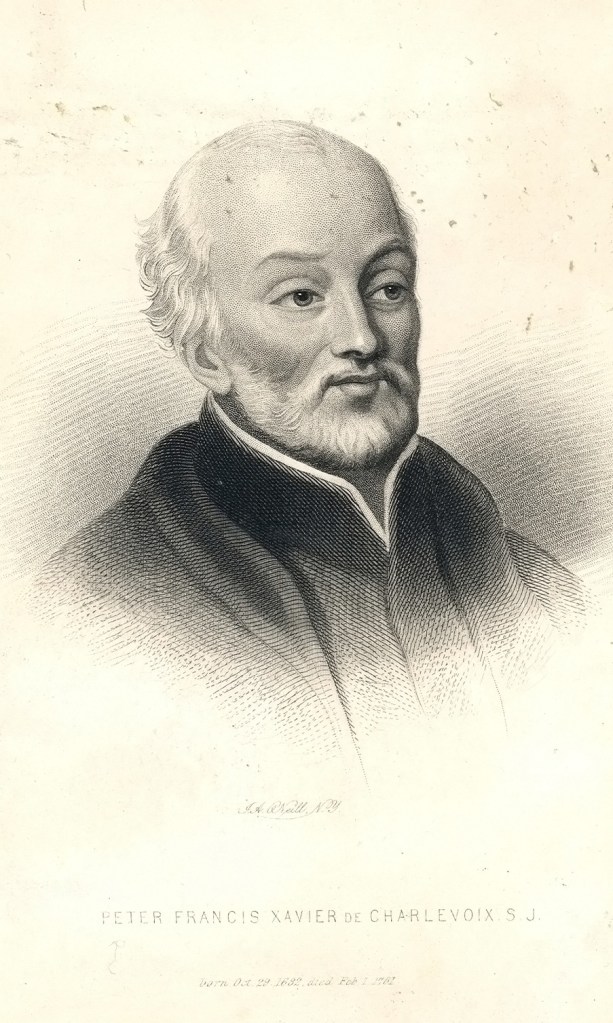
Father Pierre François Xavier de Charlevoix
Congrégation de Notre-Dame Archives. (n.d.).
LaSalle – 1978, Green Line
Landmark: Boulevard LaSalle
Robert Cavelier de La Salle founded the city of LaSalle, which is now a borough of Montréal. He also claimed the Mississippi River basin for France, and named the surrounding territory La Louisiane after King Louis XIV. You saw earlier how Detroit is connected to the history of New France and Montréal, and now you can connect the histories of Louisiana and New Orleans also (“René-Robert Cavelier, Sieur de La Salle, 1643–1687”).
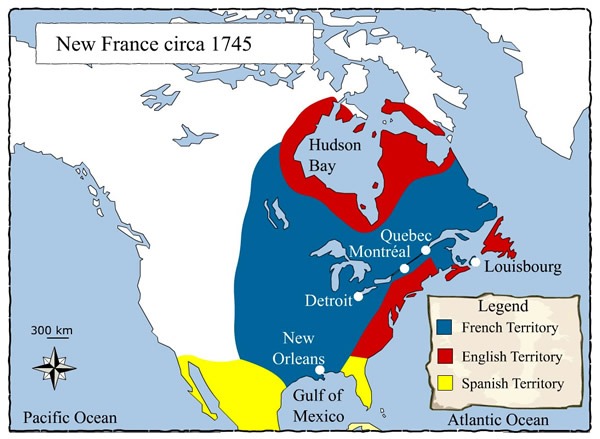
Illustrated map of New France around 1745
Epic World History. (2012, May).
De L’Église – 1978, Green Line
Landmark: Rue de l’Église
The street and then the station took their names from the local Église Notre-Dame-des-Sept-Douleurs de Montréal, which translates as Our Lady of Seven Sorrows in English (Hachey, 2009). The church was designed by the famous Montréaler architect Joseph Venne, who designed over 60 buildings in the city, and many buildings at Laval University in Québec City (“Joseph Venne, architecte montréalais”). Religious structures and figures, once again, are an integral part of the history of Montréal and Québec as a whole.
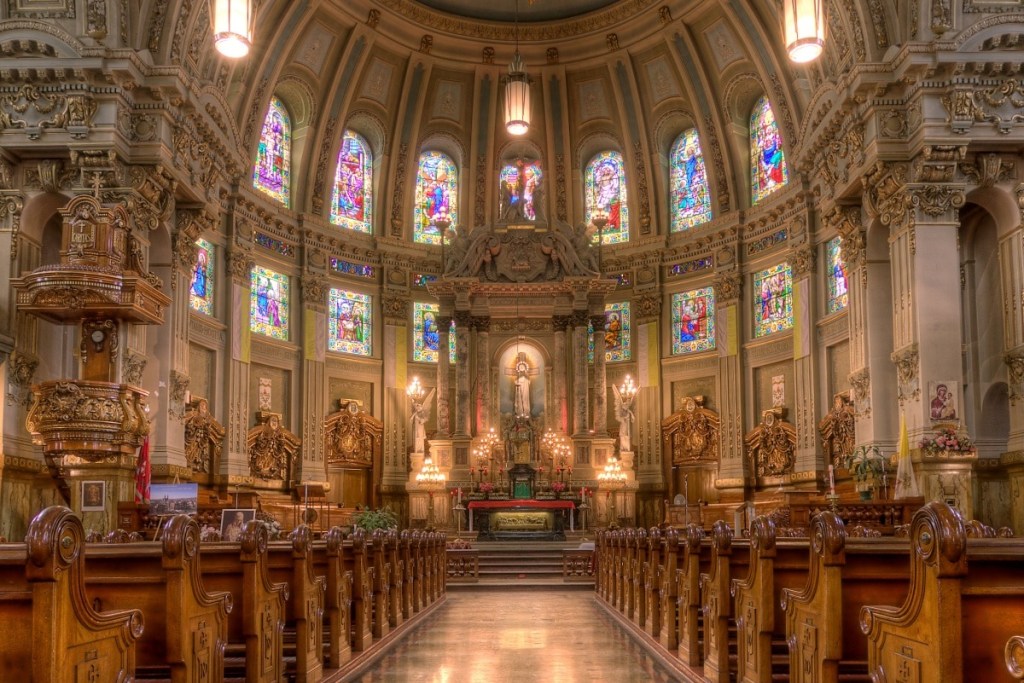
Interior of Église Notre-Dame-des-Sept-Douleurs
Montréal Secret. (n.d.).
Verdun – 1978, Green Line
Landmark: Rue de Verdun
The street and station are located in a borough of Montréal also called Verdun. We’ve mentioned the arrondissements (officially called boroughs in English) before, but I neglected to mention that there are 19; way more than New York’s iconic 5 boroughs, but one short of Paris’ 20 arrondissements. There were previously fewer and then more boroughs in the city due to a series of mergers, demergers, and municipal reorganizations of on-island suburbs and the city of Montréal proper that took place between 2002 and 2006 (Thomlinson, 2015). Anyway, the man who named the station was Zacharie Dupuy, a seigneur from the system we’ve previously mentioned. He was granted the land that became the borough in 1671, and he named it after a shortening of his French hometown of Saverdun (Auger, 1979). When I was a grad student at York University in Toronto, I knew a PhD student who was from the borough of Verdun.
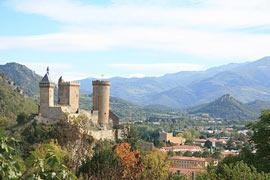
French village Saverdun
France This Way. (n.d.).
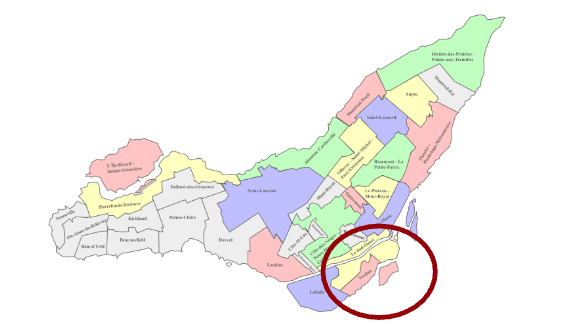
Location of the borough of Verdun on the Island of Montréal
Jolicœur – 1978, Green Line
Landmark: Rue Jolicœur
Jean-Moïse Jolicoeur founded the parish church of Notre-Dame-du-Perpétuel-Secours (or Our Lady of Perpetual Help in English) in 1906, and had the local street renamed in his honor in 1914 (“Jolicoeur Station – History”). That church doesn’t exist anymore, and the building has been converted into an event space called Théâtre Paradoxe that hosts talk shows, Zumba classes, and even fetish-themed events (Bilefsky, 2018). The closing and repurposing of historic church buildings is really interesting to me. I think it shows a society that is trying to move on from its religious past while still being unable to let go of the physical spaces that molded generations of religious people.
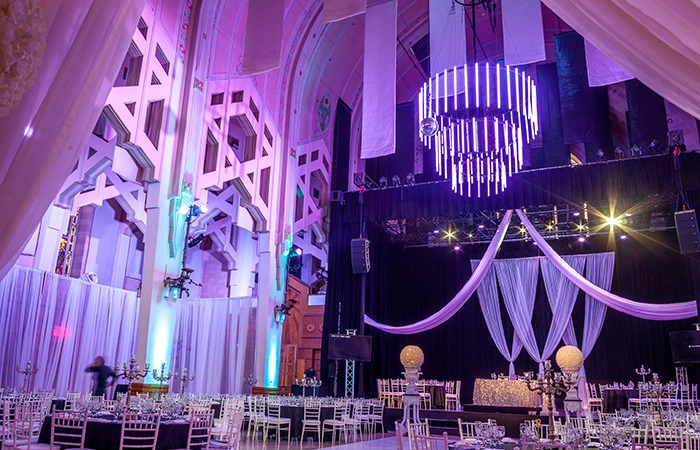
The former church, now an event center
Gentile Venues & Catering. (n.d.).
Monk – 1978, Green Line
Landmark: Boulevard Monk
Returning to important figures of English extraction, the Monk family were a prominent part of Québec’s justice system during the era of British colonial domination. Because a few of the members of the Monk family were prominent members of the Montréal elite, it is uncertain which family member the station and street are named after (Station Monk). Sir James Monk had a huge role in abolishing slavery in British North America as the Chief Justice of the Supreme Court (Riddell, 1920). Over in Toronto, they’ve recently had their own controversy with abolitionists and streets named after them. If I ever do a blog post about the Toronto Subway and the names of its stations, I’ll talk some more about Dundas Street, TMU, Ryerson, Sankofa Square, and the whole kerfuffle with the name change.
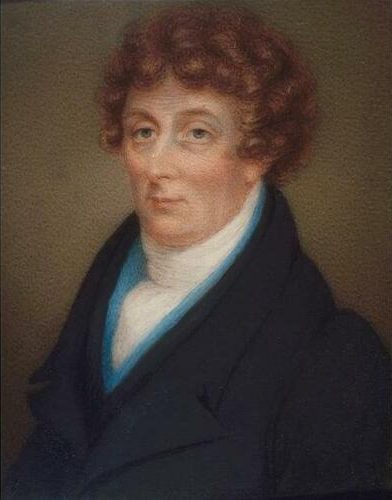
Sir James Monk
Lambert, J. H. (1987).
Angrignon – 1978, Green Line
Landmark: Boulevard Angrignon
This is yet another station named after an important politician from the history of the city. Jean-Baptiste Arthur Angrignon was a councilmember for both a local electoral district and the whole city. During his life, Parc Angrignon and Boulevard Angrignon were named in his honor. (Parc Angrignon). There’s also a nearby shopping mall called Carrefour Angrignon. The station has been the western terminus of the Green Line since it opened in 1978, which is actually the southwest when considering the island’s tilt.
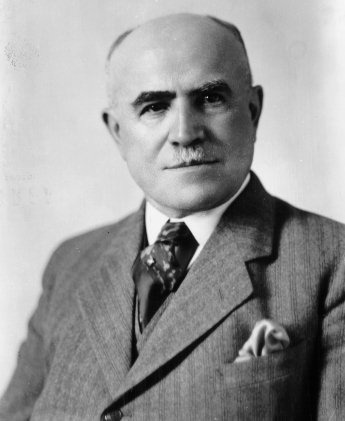
Jean-Baptiste Arthur Angrignon
Ville de Montréal, Gestion des documents et archives. (n.d.).
The 1980’s
The 1980s were a time of rapid expansion for the Metro, with 7 of the decade’s years seeing the opening of new stations. Two years after the Green Line was extended, the multi-stage process of extending the Orange Line began in 1980. The first step was to extend west to form an interchange with the Green Line at Lionel-Groulx station, with one more station to the north-northwest. Continuing on with the gradual extension of the Orange Line towards the north of the island, 1981 saw the opening of the three new stations. The brand-new Blue Line also opened for the first time this decade. The Orange Line continued to creep up north towards its eventual modern western terminus in 1982, adding 2 new stations by the end of the year. The Blue Line was under construction at this point, but still wouldn’t open for a few years. 1984 saw 3 additional stations, bringing the line just one short reaching the finishing point of the western half. In 1986, the Blue Line finally opened its initial 4 stations, with an interchange at the previously-existing Jean-Talon station. Côte-Vertu station opened on the western half of the Orange Line in addition, which completed that half of the line until the time of this the publication of this post. The Blue Line would eventually serve to link the eastern and western halves of the Orange Line, serving as an alternate east-west route that is north of the Green Line. 1987 only introduced one new station on the Blue Line, but by the end of next year, the rest of the Blue Line was complete to its modern standards. At the end of 1988, the Blue Line of Montréal would be officially finished, with a new interchange with the Orange Line at Côte-Sainte-Catherine completing it. This would be the last expansion of the Metro for 19 years, and the most recent stations to open in the city of Montréal proper to this day.
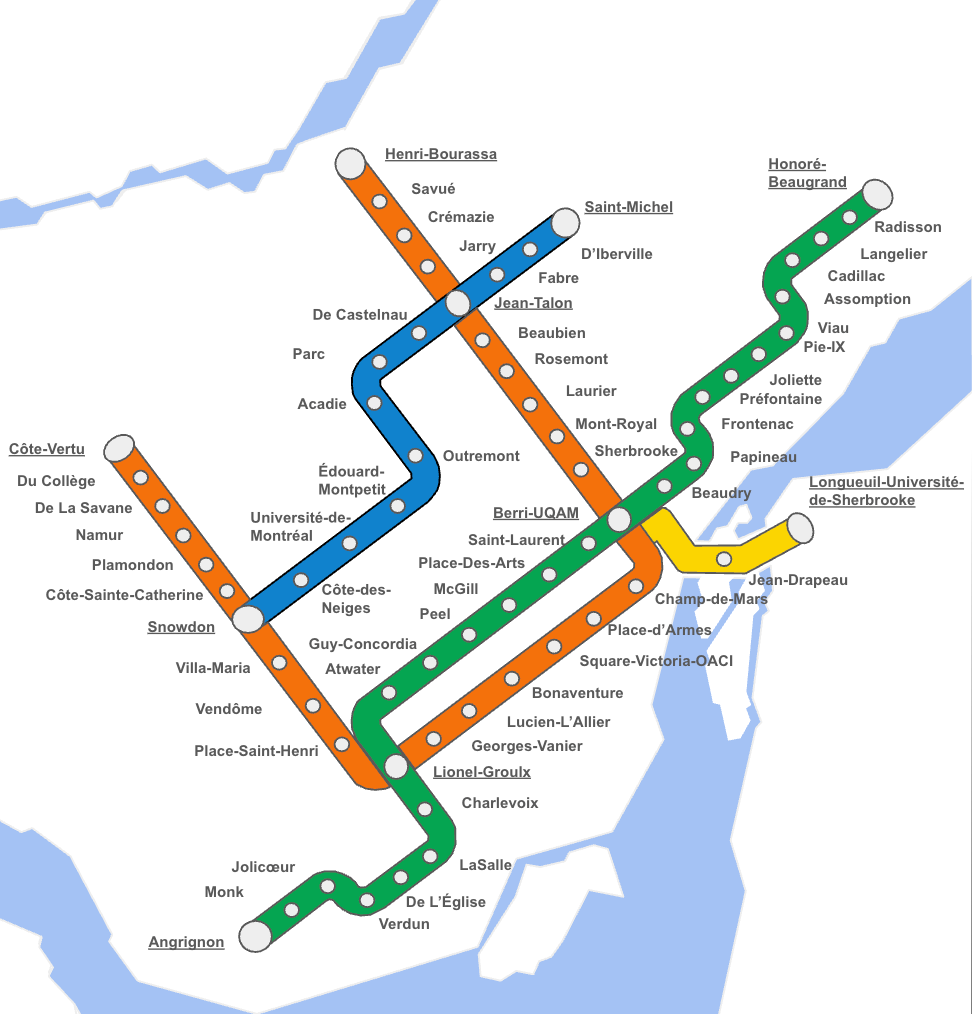
Montréal Metro at the end of the 1980’s
Lucien-L’ALlier – 1980, Orange Line
Landmark: Rue Lucien-L’Allier
While Jean Drapeau may have been the political mind behind getting the Metro built, Lucien L’Allier was the engineering mind behind it. After graduating from Montréal staple McGill University with a degree in electrical engineering, L’Allier eventually became the engineering director of the City of Montréal, and his efforts towards designing the Metro have left an immortal legacy for him under the city streets (Ville de Montréal). After his death, a local street was renamed in his honor, and the station took its name from that same street.
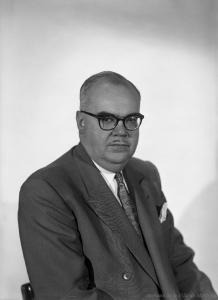
Lucien L’Allier
Archives de la Ville de Montréal. (1959, June 15).
Georges-Vanier – 1980, Orange Line
Landmark: Boulevard Georges-Vanier
Georges Vanier was a decorated Canadian soldier who fought in the first world war. Vanier had a quintessentially Montréal background, being Irish on his mother’s side and being a descendent of the aforementioned filles du roi on his father’s side, resulting in a bilingual English-French upbringing (Coady, 2011). Vanier later became the first French-Canadian to be the Governor General of Canada post-confederation. This was negatively received by many of the separatists and nationalists who were growing in influence in the province, who labeled him a traitor to the cause of Québec sovereignty (Vanier College, 2009).
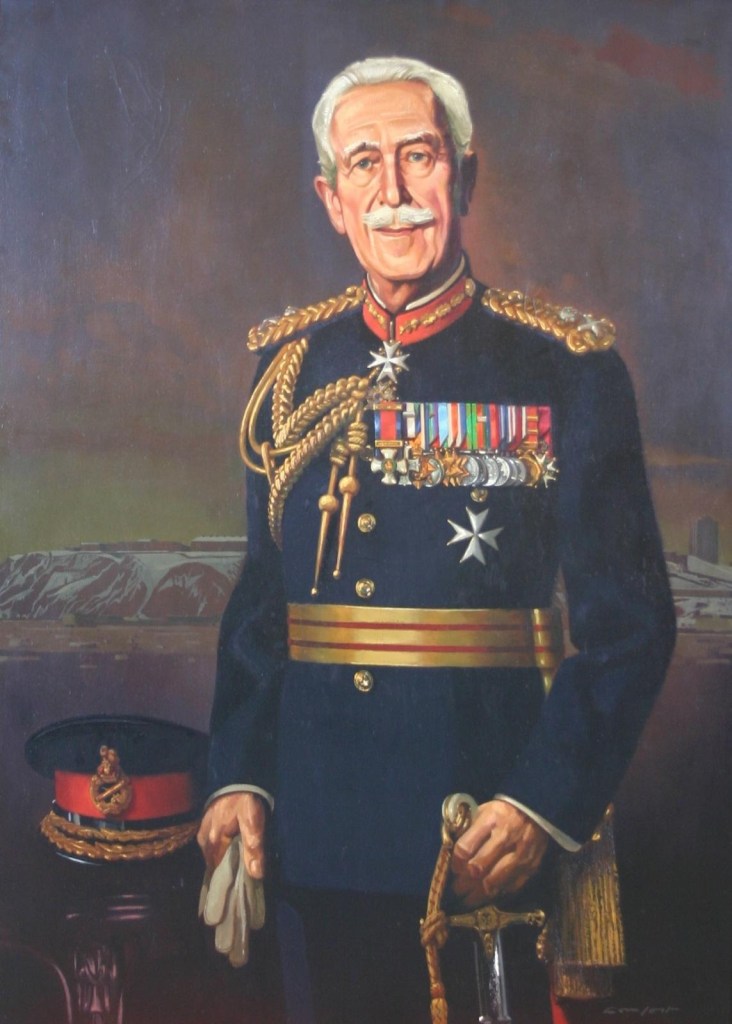
Governor-General Georges Vanier
Vanier, G. P. [Painting]. (n.d.).
Place-Saint-Henri – 1980, Orange Line
Landmark: Place-Saint-Henri
The local landmark for this station is a small public square also called Place Saint-Henri. The square contains a park with a prominent cast-iron monument to the explorer Jacques Cartier at its center (Art Public Montréal, 2020). Jacques Cartier would later get a station of his own in 2007, with the most recent extension to the Orange Line. I will talk some more about this station at the end of the post.
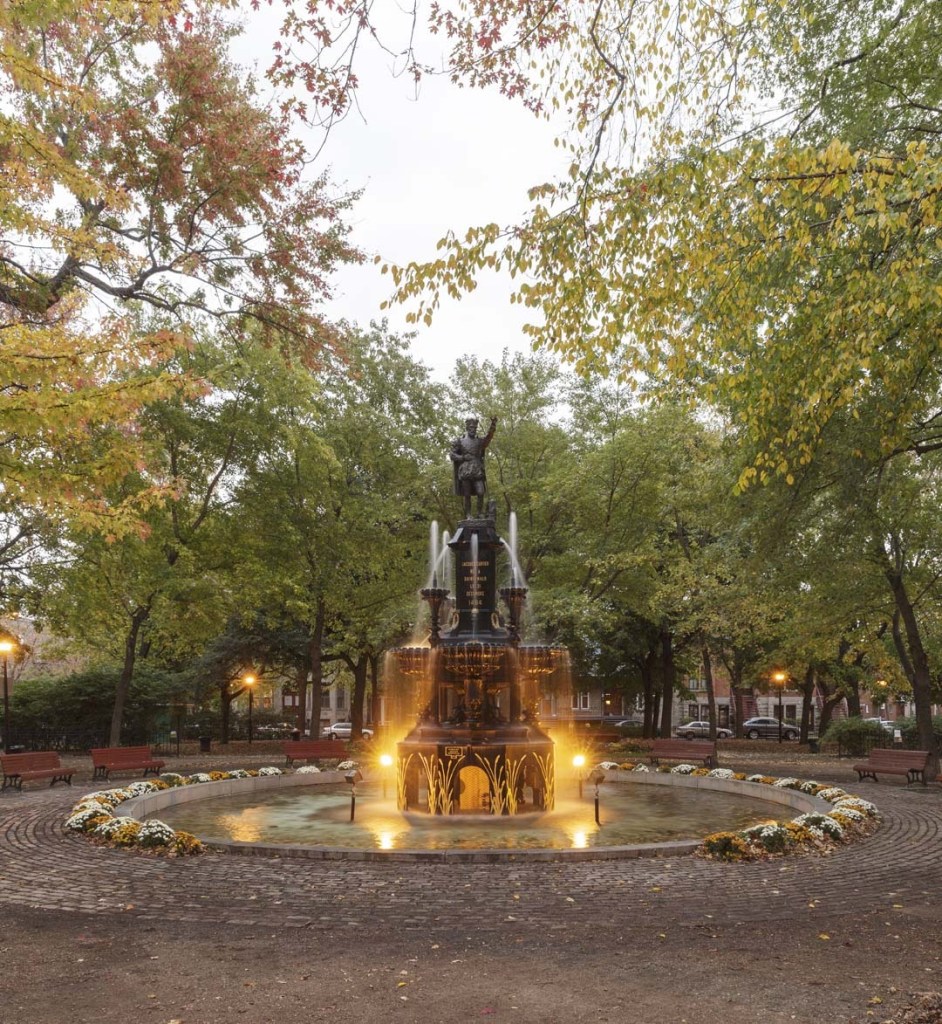
Statue of Jacques Cartier in Place-Saint-Henri
Vincent, J.-A. (Photograph). (2013).
Vendôme – 1981, Orange Line
Landmark: Avenue du Vendôme
Avenue du Vendôme is named for the French city of Vendôme, which had a notable line of dukes ruling over the city. Among the famous rulers of the city was Louis Joseph, Duke of Vendôme, who was a general under the Sun King Louis XIV during his wars. Respected for his military tactics and courage (Chisholm), the duke is among a number of figures from the ancien régime of pre-revolution France who is commemorated in Montréal’s Metro.
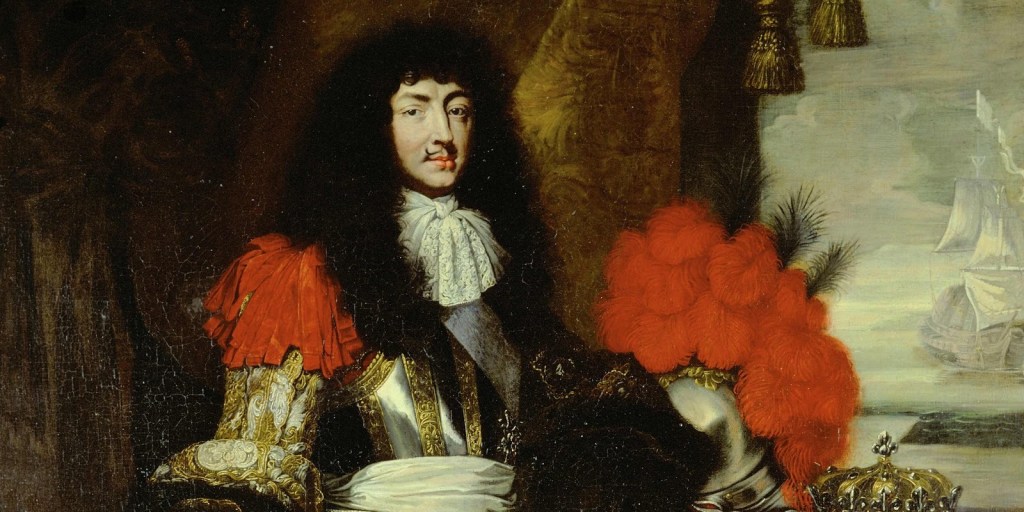
Louis XIV of France
Rigaud, H. (1701).
Villa-Maria – 1981, Orange Line
Landmark: Villa-Maria High School
The nearby landmark of this station is Villa Maria High School, which is a private Catholic school offering both English and French language curricula (Collѐge Villa Maria). Villa Maria is the Latin translation of Ville-Marie, or Mary’s City, which as previously mentioned was the original name for Montréal when it was founded by Europeans. When Jacques Cartier arrived on the island and established a village, he named it Hochelaga, which is believed to be a word of Iroquoian origin meaning either “beaver’s dam” or “beaver’s path” (Delâge, 2006). The history of first nations peoples in Montréal and Québec deserves its own post, so I wanted to at least briefly mention them here. Back to the topic of schools; Montréal and Québec’s school systems have a long and complex history of tension between English and French curricula, and English school boards still face challenges under the current nationalist government of Québec (Bourhis, 2020).
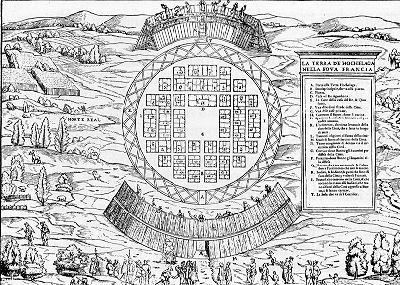
Cartier and his men at the Hochelaga settlement
Ramusio, G. B. (n.d.).
Snowdon – 1981, Orange Line and Blue Line
Landmark: Rue Snowdon
Snowdon station and Rue Snowdon are both found in the neighborhood also called Snowdon. A farm formerly stood on the spot where all three are located, which was owned by a man named James Snowdon (ProvinceQuébec.com). This is one of the more straightforward histories I have looked at, as there’s not a lot of information available on James Snowdon. Once the Blue Line opens, Snowdon will be a transfer point between the Orange and Blue Lines and serve as the western terminus of the latter.
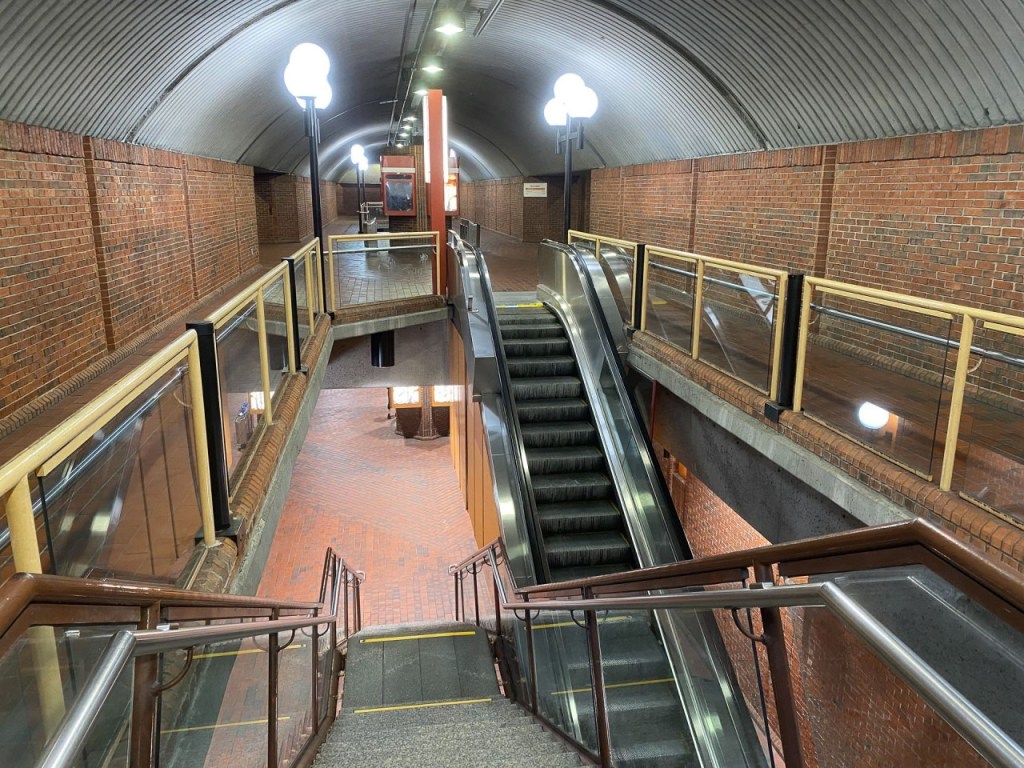
Interior of Snowdon Station
Thuillier51. (2019, June 17).
Côte-Sainte-Catherine – 1982, Orange Line
Landmark: Chemin de la Côte-Sainte-Catherine
I now return to the Roman Catholic faith for the namesake of this station. Chemin de la Côte-Sainte-Catherine is named after Saint Catherine of Alexandria. Catherine was a figure in Roman Egypt who, after converting to Christianity at a young age, converted many others to the faith, and was subsequently martyred for those actions (Clugnet, 1908). According to tradition, she was sentenced to execution by having her bones broken on a wheel, but when that failed, she was beheaded instead. The torture wheel was subsequently popularly known as St. Catherine’s wheel.
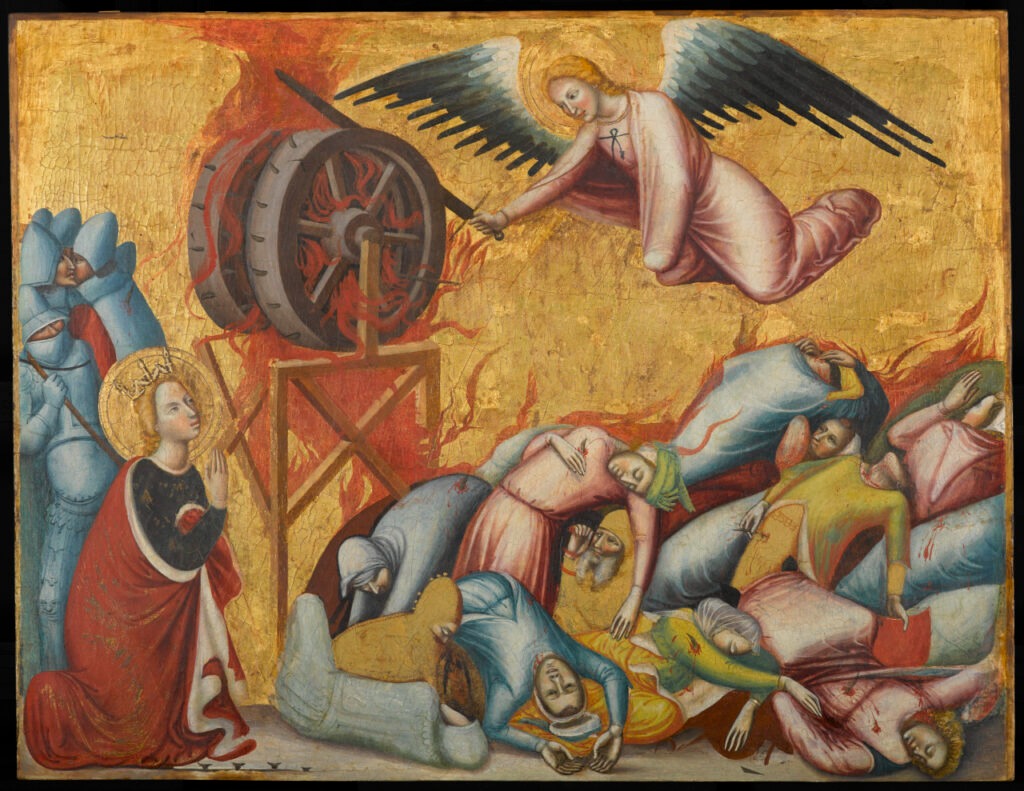
Attempted torture of St. Catherine with a wheel
Master of the Campana Crucifixion. (c. 1325–1330).
Plamondon – 1982, Orange Line
Landmark: Avenue Plamondon
Avenue Plamondon has two possibilities for its namesake; it could be named for Rodolphe Plamondon, who was a popular and respected opera singer in the early 20th century in Canada (McMillan & Keillor, 2008), or the Québécois painter of religious scenes named Antoine Plamondon, who lived and worked in Québec City (Grandbois, 2025).
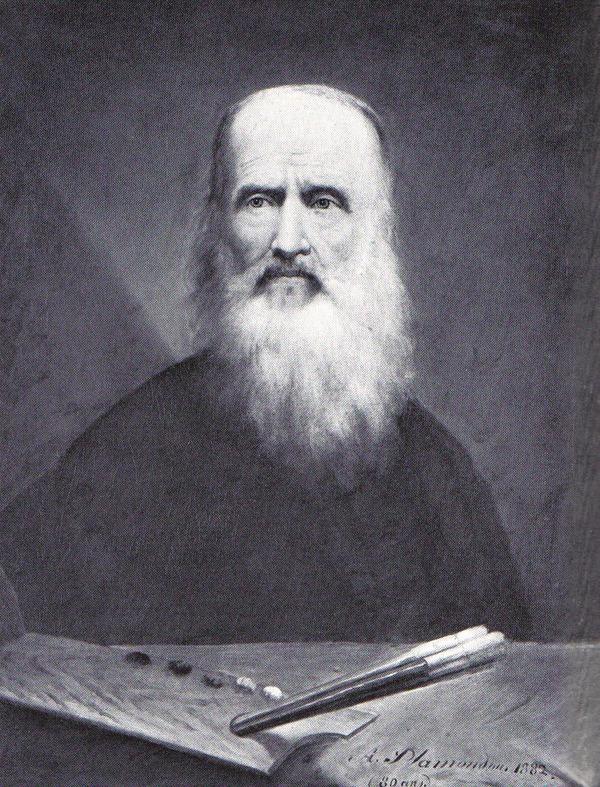
Antoine Plamondon
Plamondon, A. (1882).
Namur – 1984, Orange Line
Landmark: Rue Namur
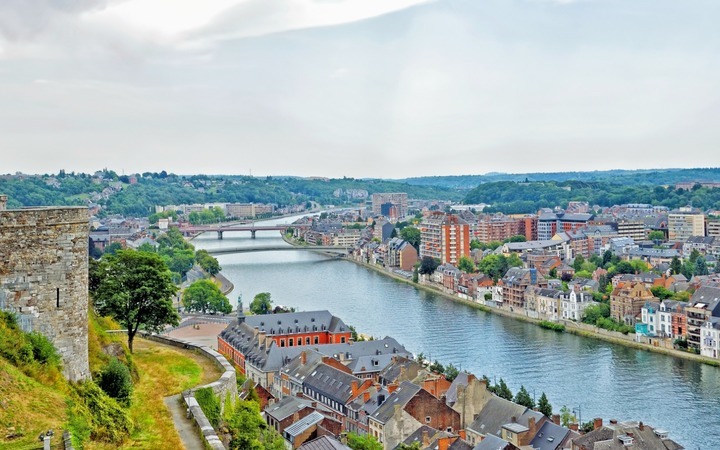
Rue Namur, along with the town of Namur in Québec, are both named after a city in the Old World. However, Namur is a city in Belgium rather than France (Commission de toponymie du Québec). The first settlers of this community indeed came from this small Belgian town, resulting in the nickname of “La Nouvelle Belgique” or “New Belgium”. In my home state of Minnesota, there are numerous towns named after the place where their settlers came from, usually include “New” at the start of them. New Prague, New Ulm, New Germany, etc.
Namur, Belgium
Sealine. (n.d.).
De La Savane – 1984, Orange Line
Landmark: Rue de la Savane
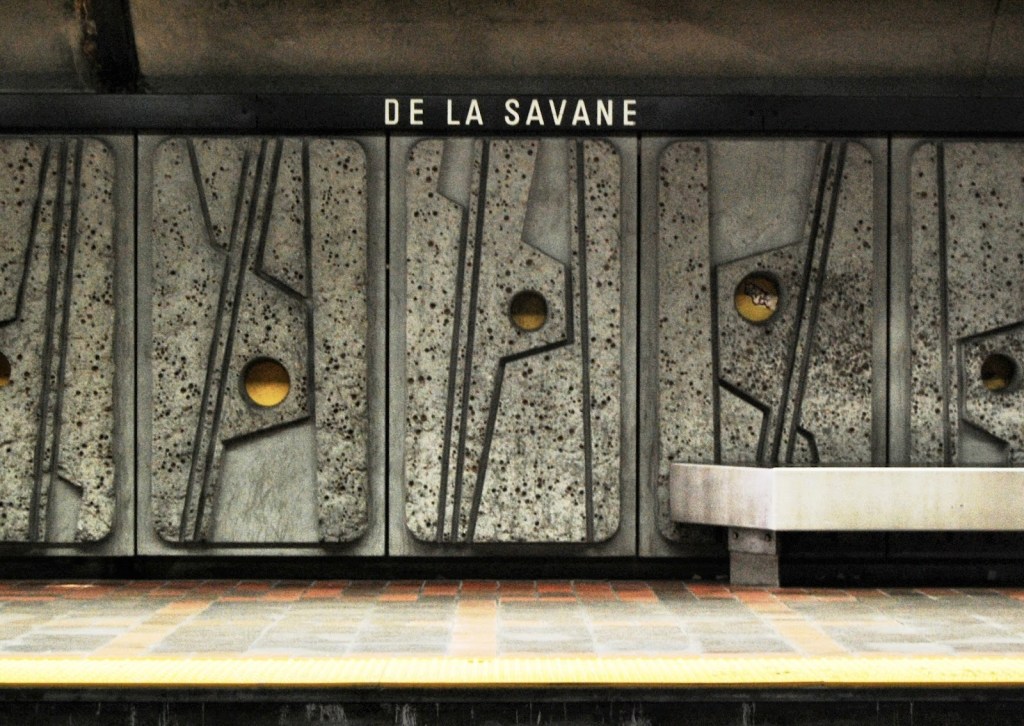
The STM (Montréal’s public transit agency), cites the origin of the station’s name as coming from the local Rue de la Savane, or savannah street (Société de transport de Montréal). Wait a moment, savannah? In freezing cold Canada? Well, the official Metro website says that savane can also mean swamp, or marshland, and checking in with WordReference (which is the online dictionary I used to use when writing essays for high school French class), “marsh” is indeed listed as an alternate translation of savane, only in Canadian French though. Maybe that’s an archaic expression that survived in North American dialects but not in Metropolitan France. Québec French is known for having certain vowel sounds and pronunciations that are more conservative than European French, so it wouldn’t be a huge surprise if it had some old-fashioned vocabulary as well.
Interior of De La Savane Station
Bull‑Doser. (2007, February 27).
Du Collège – 1984, Orange Line
Landmark: Rue du Collège
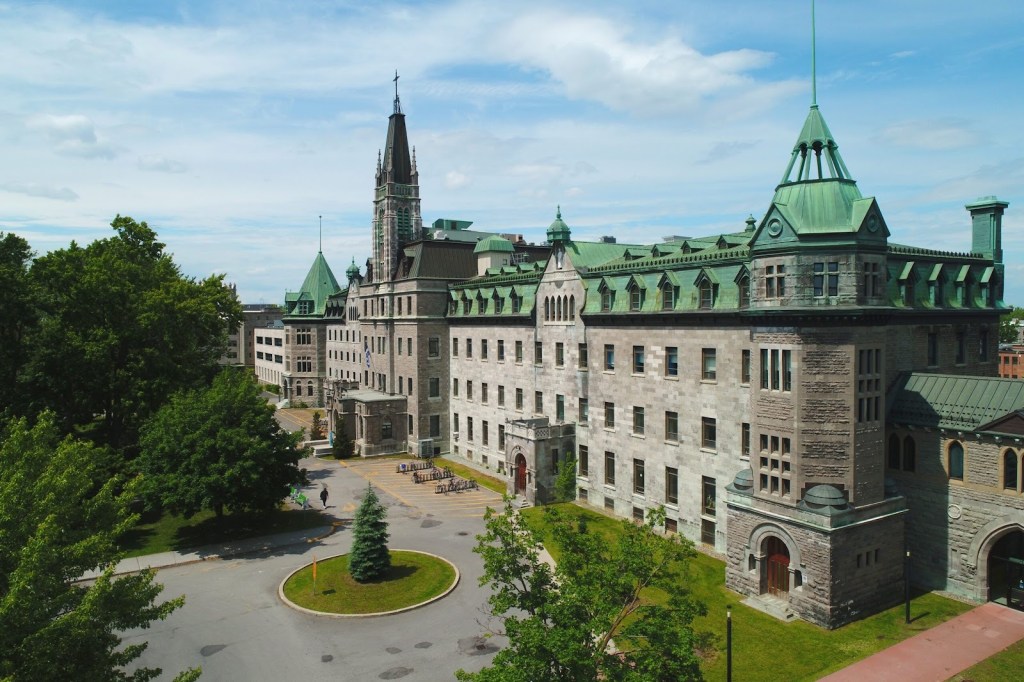
The nearby Cégep de Saint-Laurent is the college that gives Rue du College its name. It’s important to note that a Cégep is a college in the Canadian sense, indicating a school that offers “a mix of pre-university and technical programs that prepare students for either university or the job market” (Cégep Lévis‑Lauzon), so kind of like a trade school or community college in the United States. While Americans might use “college” colloquially to refer to any post-secondary education institution, a Canadian would never say “college” and mean a university.
Cégep de Saint-Laurent
Montréal Mon CEGEP. (n.d.).
Saint-Michel – 1986, Blue Line
Landmark: Boulevard Saint-Michel
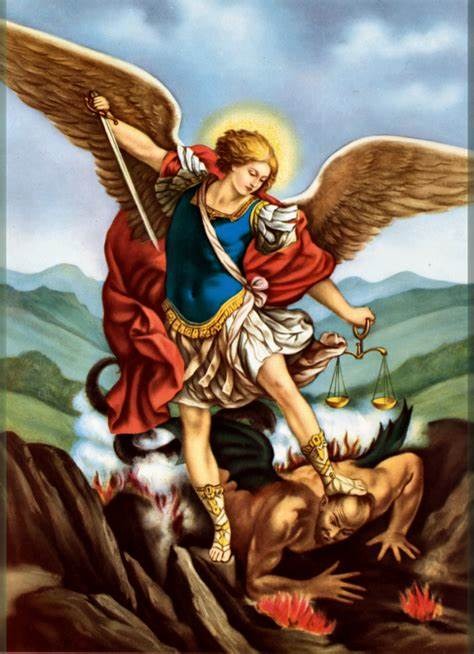
Like many other stations on the metro, Saint-Michel station and the corresponding street share their name with a neighborhood and former independent city. The neighborhood is found in the borough of Villeray–Saint-Michel–Parc-Extension. Saint-Michel is the French name for St. Michael the Archangel, who is the biblical angel said to have cast Satan down from Heaven (Revelation 12:7-12, Holy Bible: New Revised Standard Version).
St. Michael trampling down Satan
Sicilian Girl. (2023, June 22).
D’Iberville – 1986, Blue Line
Landmark: Boulevard Saint-Michel
I return to the colonial era for the name of Rue D’Iberville. Pierre Le Moyne d’Iberville was actually born in the colony of New France in Ville-Marie, which is modern Montréal (Fortier, 1910). Although our old friend LaSalle claimed the territory of Louisiana for France, d’Iberville actually founded the colony and set up the administration there. It’s interesting to imagine an alternate history of the United States where Louisiana retains its Francophone identity and speaks French to this day.
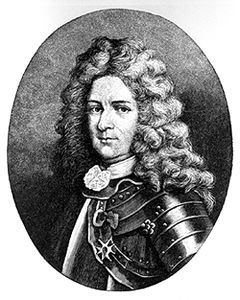
Pierre Le Moyne d’Iberville
Unknown Artist. (n.d.).
Fabre – 1986, Blue Line
Landmark: Rue Fabre
Another station on the Blue Line, and another Catholic figure. Édouard-Charles Fabre was the oldest of 11 children from a prominent business family in Montréal who joined the Catholic priesthood, and rose to the rank of Bishop of Montréal. Once Montréal was elevated to an archdiocese in the Catholic Church, he became the first ever Archbishop of Montréal (Young, 1990). The current Archbishop of Montréal is a fellow named Christian Lépine, who has been serving in that role since 2012 (Holy See Press Office, 2012).
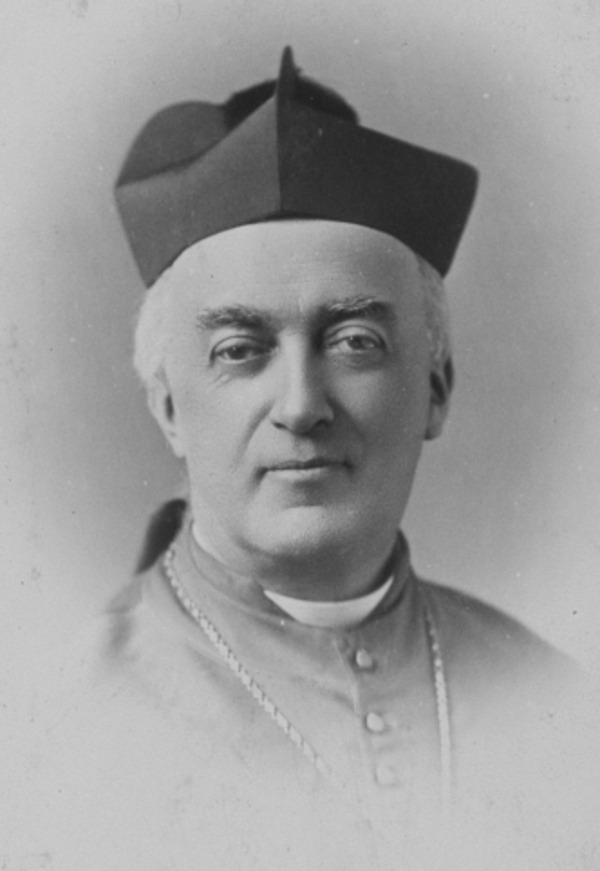
Édouard-Charles Fabre, first Archbishop of Montréal
Notman & Son, Wm. (1886).
De Castelnau – 1986, Blue Line
Landmark: Rue de Castelnau
Noël Édouard, vicomte de Curières de Castelnau was another War Hero from World War I, but this time a French figure rather than a Canadian one. Having successfully defended Nancy in France during the Great War, he later became a key figure of resistance to the Vichy Puppet regime of Nazi Germany during the Second World War (Bonafoux, 2014). Relevant to Québec history, de Castelnau has faced accusations of anti-semitism due to his radical devotion to Catholicism, an allegation that has also been leveled at key figures like Lionel Groulx.
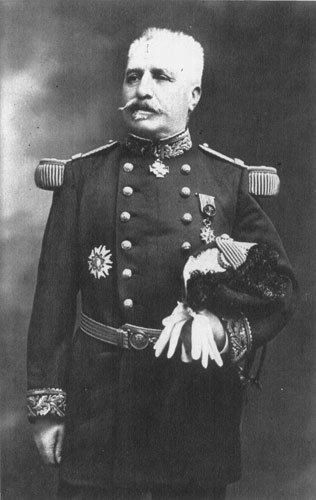
Noël Édouard, the Vicomte de Curières de Castelnau
Unknown author. (1915, November 25).
Côte-Vertu – 1986, Orange Line
Landmark: Boulevard de la Côte-Vertu
When it was built, Côte-Vertu Station became the northern terminus of the western half of the Orange Line, a position which it holds to this day. The station and the surrounding area of Notre-Dame-de-la-Vertu are named after Our Lady of Virtue, which is one of the titles of the Virgin Mary, and the Feast of Our Lady of Virtues is optionally celebrated on July 10th in the Catholic Church (Marian Library). From the founding of the city as Ville-Marie in the 17th century, Mary has always held an important position in the hearts and minds of Montréalers.
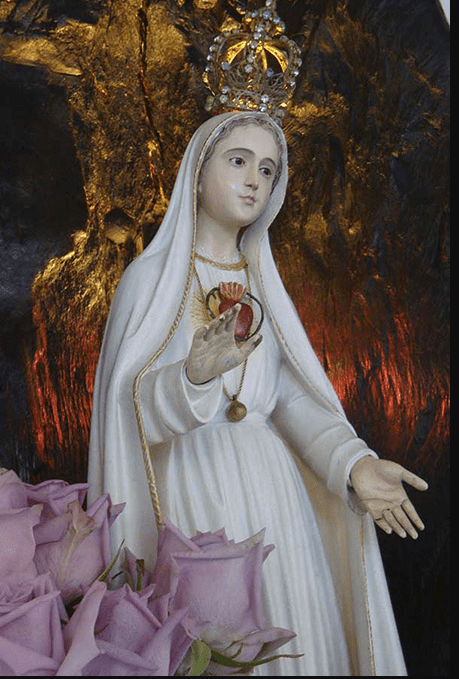
Statue of Our Lady, Queen of Virtue
AnaStpaul. (2021, March 8).
Parc – 1987, Blue Line
Landmark: Avenue du Parc
The “Parc” named in the station and street is actually Jarry Park, the former home of the Montréal Expos that I have already discussed. On the south side of the park (considering the standard practice of tilting the island on a map) is Rue Gary-Carter, named for the Hall of Fame catcher and Expos great Gary Carter. Of particular note about this station is the exterior, constructed in a gorgeous Art Deco style as a passenger rail station in 1931 (Images Montréal IMTL). It was formerly called Jean-Talon station, not to be confused with the current Jean-Talon metro station
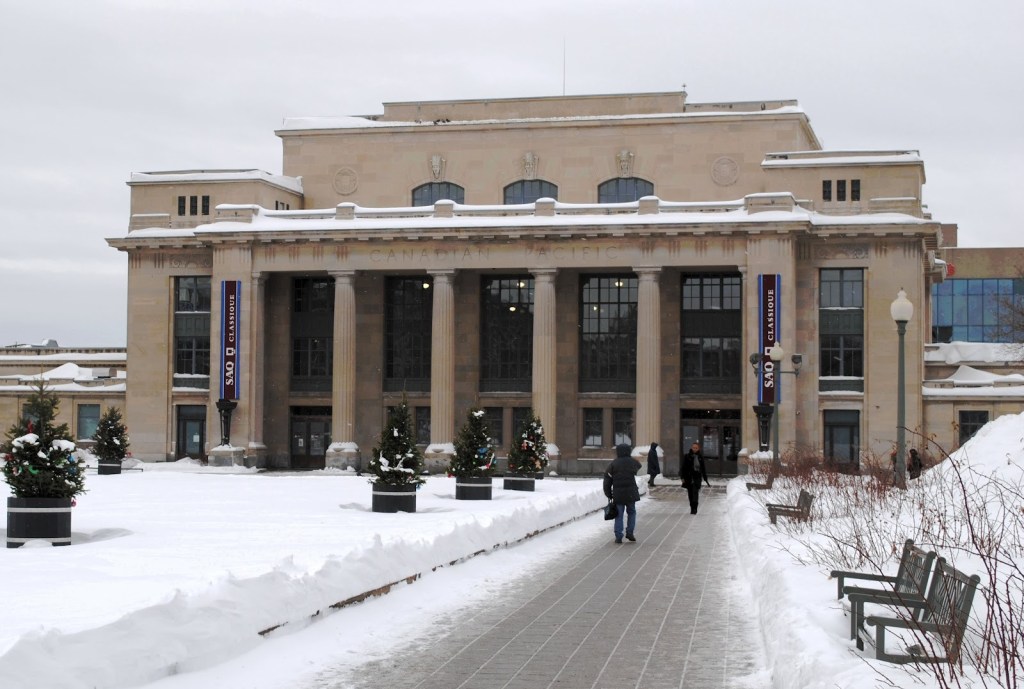
Parc Station, formerly Jean-Talon
Chicoutimi. (2010, January 4).
Acadie – 1988, Blue Line
Landmark: Boulevard de l’Acadie
Acadie, or Acadia, was the very first site of permanent French settlement in North America, around modern day Nova Scotia and New Brunswick (Lennox, 2022). As a linguist, I love mentioning this fun connection between French Canada and Louisiana; the word “Cajun” is actually derived from colloquial pronunciation of the word “Acadian”. When the Acadians were expelled by the British, many of them decided to resettle in Louisiana, hence the link between Cajuns and Acadians (Valdman & Rottet, 2009).
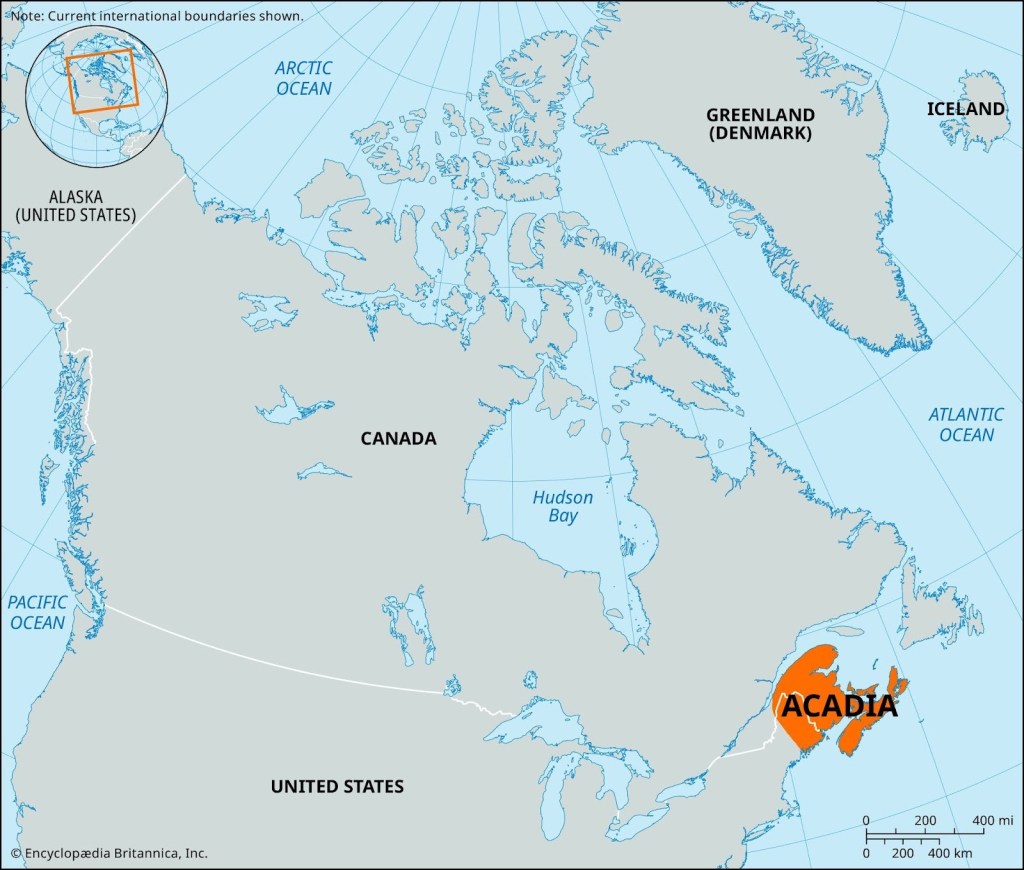
Map of Acadia overlaid on modern borders
Encyclopædia Britannica, Inc. (n.d.).
Outremont – 1988, Blue Line
Landmark: Avenue Outremont
Avenue Outremont is located in the Borough of Outremont, which was created through the help of the previously mentioned Pierre Beaubien. I find it interesting how some of these stations have connections to the same sets of influential people. In French, outre mont means “beyond the mountain”, referring to the fact that the neighborhood is north of Mont-Royal, beyond the locations of Hochelaga, Ville-Marie, and the initial Montréal proper.
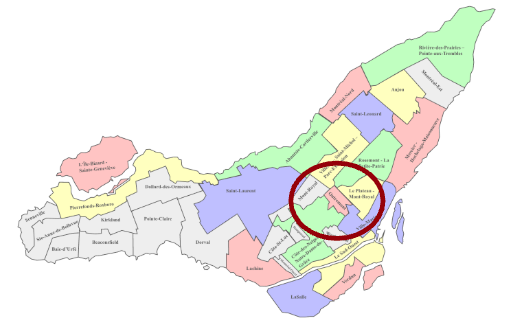
Outremont borough on the Island of Montréal
Édouard-Montpetit – 1988, Blue Line
Landmark: Boulevard Édouard-Montpetit
The original name of this station was planned to be Vincent-D’Indy, after the local private music school bearing the name of famed French composer Vincent d’Indy (Transit Maps, 2022). Ultimately, it was decided to name the station after the nearby boulevard. Édouard Montpetit was a man of many trades in 20th century Montréal, working as a lawyer and economist before becoming a faculty member at the Université de Montréal (Joubert, 1975). Speaking of the Université de Montréal…
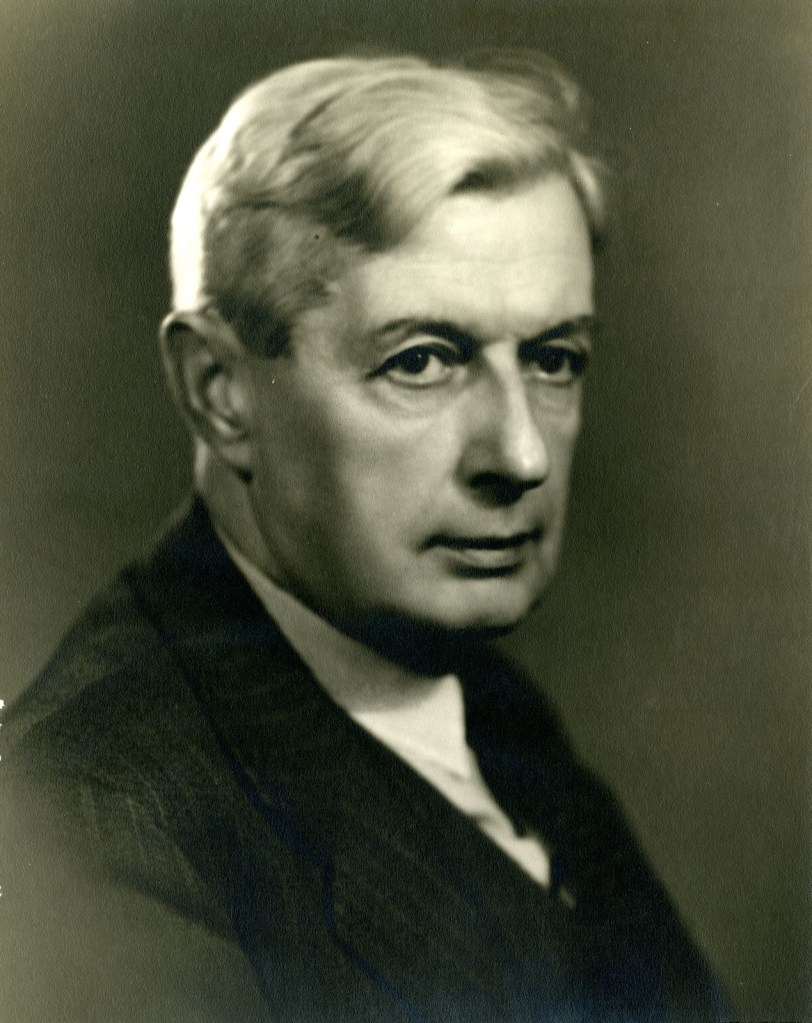
Édouard Montpetit
Robert de Massy, C. (2016).
Université-de-Montréal – 1988, Blue Line
Landmark: Université-de-Montréal
Originally founded as a satellite campus of Universite Laval in 1878 (Pound, 2005), UdM became fully independent in 1920 and a secular public institution in 1967 (Plamondon, 2017). Today, the University has over 66,000 students. Like many institutions in Québec, there is not actually an official English name for the school, but you will sometimes hear the school referred to as “University of Montreal” colloquially in English.
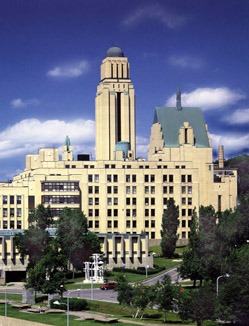
Campus of Université de Montréal
Photograph of Université de Montréal, Montréal, Québec. (n.d.).
Côte-des-Neiges – 1988, Blue Line
Landmark: Université-de-Montréal
Côte-des-Neiges Road lies on the former site of Village-Côte-des-Neiges, one of the numerous villages and towns that has been annexed and absorbed by Montréal (“Publicité de la Northmount Land”). Côte-des-Neiges is a shortening of the original Côté de Notre-Dame des Neiges, or “Hill of Our Lady of the Snows”. And as any Montréaler will tell you, it is quite snowy there. I’m from the Minneapolis area, which is also notoriously cold and snowy, but visiting Montréal in February made me realize that it’s even colder and even snowier there!
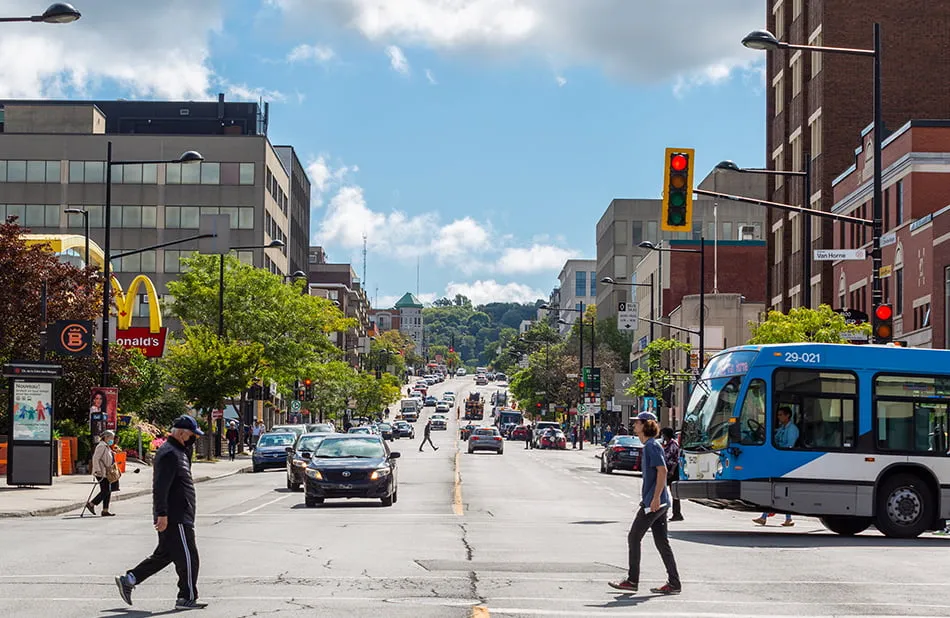
Côte-des-Neiges neighborhood
HP & Associés. (n.d.).
The 2000’s
We have reached the final stage of the Metro’s expansion to the present day. These three stations all form part of an effort to expand the Metro to the city of Laval, located north of Montréal on Île-Jesus. This project was launched in 2002 (Société de transport de Montréal), and allows commuters from Laval to travel under the Back River into Montréal. Maybe in the future the world will see more expansion, but these stations finish us off for today.
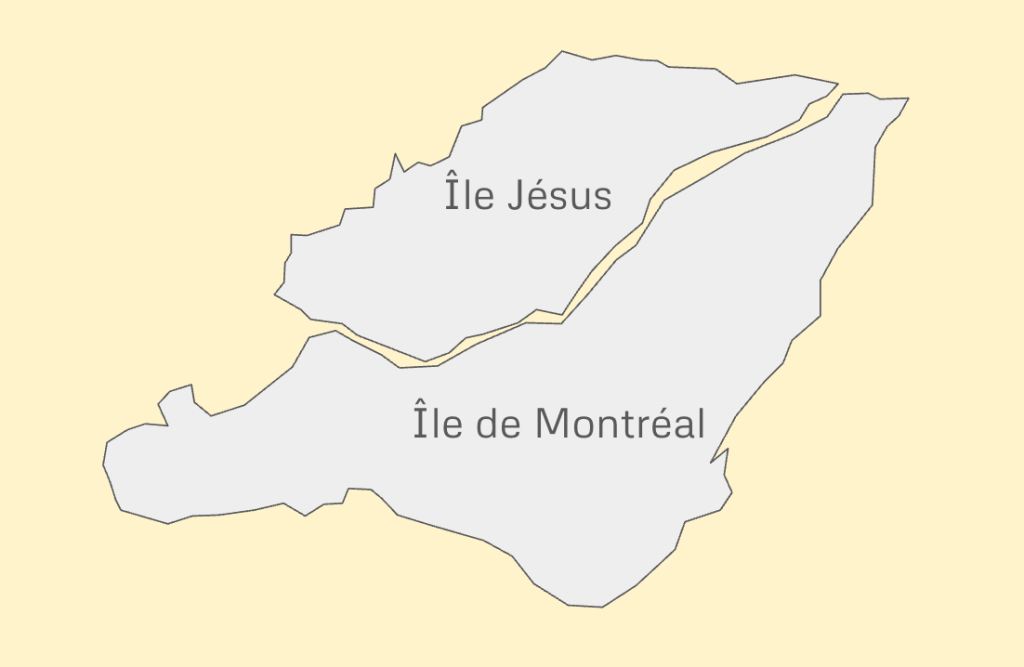
Île-Jésus in relation to the Island of Montréal
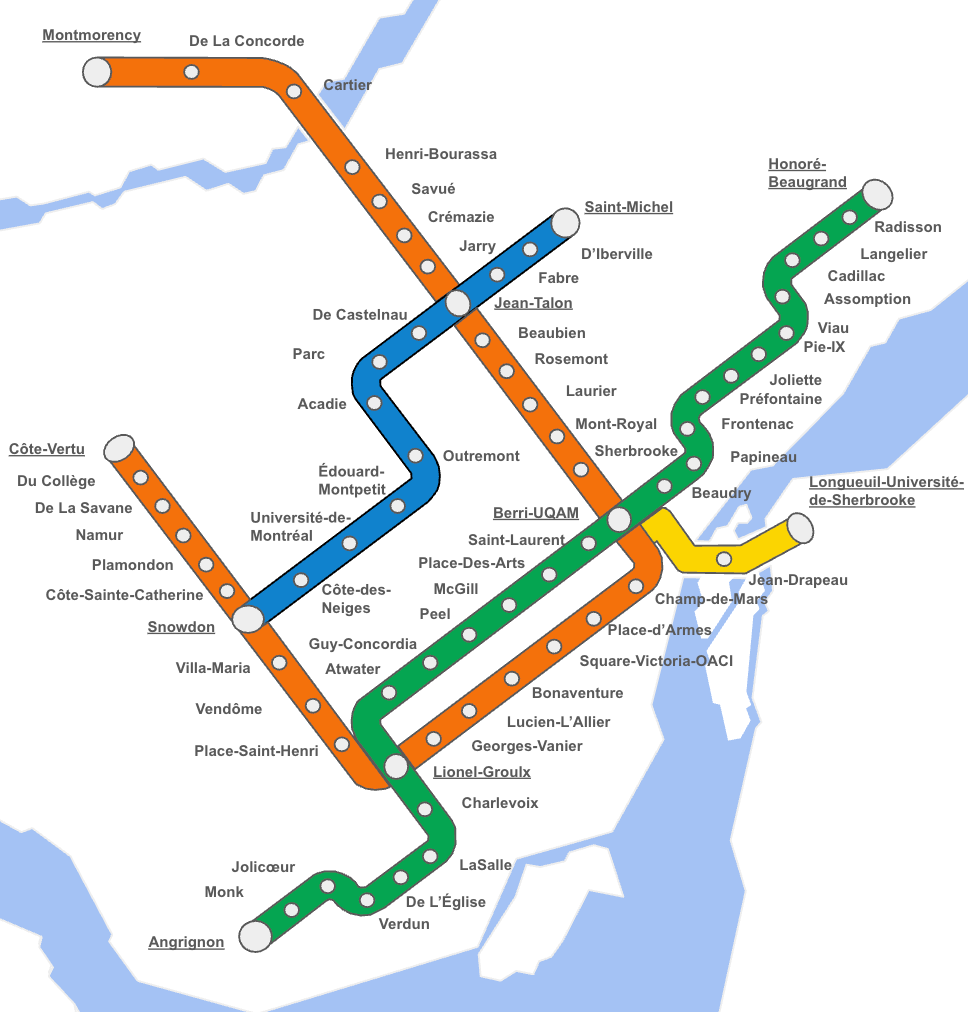
Montréal Metro at the end of the 2000’s, current as of 2026
Cartier – 2007, Orange Line
Landmark: Boulevard Cartier
We’ve mentioned him a few times already today, so you know that Jacques Cartier was a very important figure in the colonization of Canada and the development of French culture and identity within. As the founder of Hochelaga, it would be fair to credit him as a forerunner to modern Montréal, even if Paul de Chomedey de Maisonneuve was the actual founder.
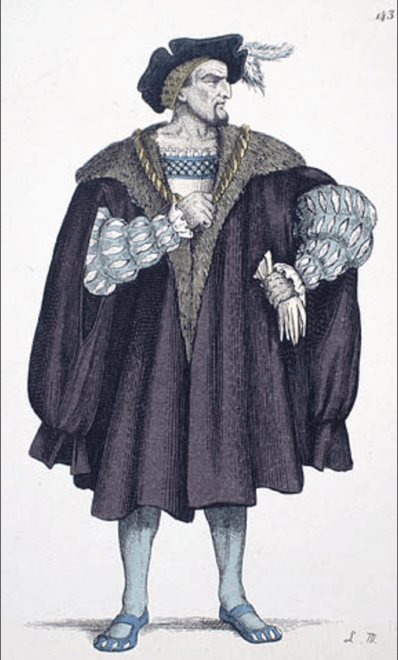
Artistic depiction of Jacques Cartier
Library and Archives Canada. (n.d.).
De La Concorde – 2007, Orange Line
Landmark: Boulevard de la Concorde
Boulevard de la Concorde is named after Paris’ Place de la Concorde, which was named after the reconciliation and concord in Paris in the final years of the French Revolution (Place de la Concorde). Montréal’s Concordia University and motto of Concordia Salus (“well-being through harmony” in English) also display the prevalence of the word Concord in the city’s history.
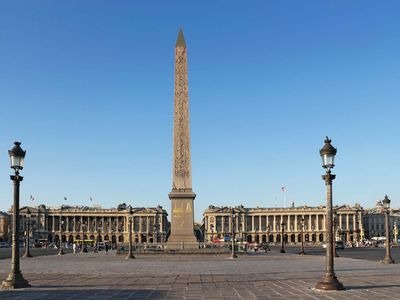
Place de la Concorde in Paris
Encyclopædia Britannica, Inc. (n.d.).
Montmorency – 2007, Orange Line
Landmark: Collège Montmorency
Collège Montmorency is a local Cégep in Laval. There is a also large waterfall in Québec City named Chute Montmorency that I visited in my trip to the province in 2022. The falls and the school are named after Charles de Montmorency, Duke of Damville. He was a French nobleman who founded explorer Samuel de Champlain’s explorations of what is now Québec. I wrote a report on Samuel de Champlain in 6th grade. The city of Laval is named after Bishop Francois de Laval, the same bishop who condemned New France’s Governor General Louis de Buade de Frontenac for his conduct with the indigenous inhabitants of the Quebec area (Encyclopaedia Britannica). In 2014, Pope Francis declared Francois de Laval a Saint of the Catholic Church (Wooden, 2014).
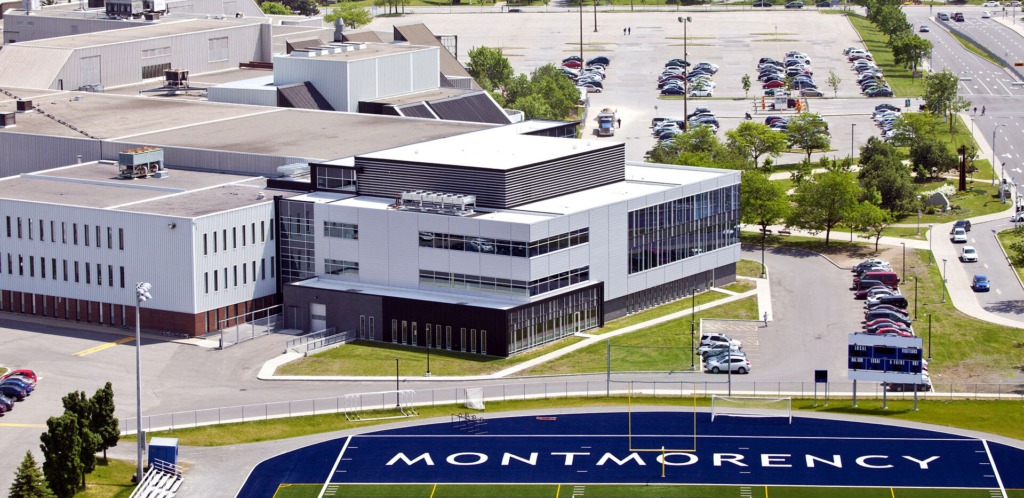
Campus of Collège Montmorency
Collège Montmorency. (n.d.).
In conclusion, our journey underneath Montréal has woven a web of complex connections; the secular and religious figures who shaped the city’s politics, the French, English, and American cities who share historical background with the city, and the great figures who left their mark on the city’s streets and infrastructure. There’s so much that I didn’t even get to mention in this video. The Montréal Canadiens Hockey Team, the indigenous peoples of the region, Italian, Haitian, and Arab immigration to Montréal, the Great Depression and Sin City era of prohibition, the list could go on and on. If you want to see another video like this about other subway lines and their histories, like and comment on the video, and subscribe to my channel. À bientôt!
With digital gratitudes and free of platitudes,
Isaiah
Sources Cited
- Aislin. (2021, July 22). Aislin looks back at the 1976 Summer Olympics. Montreal Gazette. https://montrealgazette.com/sports/aislin-looks-back-at-the-1976-summer-olympics
- Aislin. (1974). Pregnant Mayor Jean Drapeau calls Dr. Morgentaler [Political cartoon]. Montreal Gazette. Reproduced in “50 years of Aislin: Pregnant pause for Mayor Jean Drapeau.”
- AnaStpaul. (2021, March 8). Nossa Senhora das Virtudes / Our Lady of Virtues, Lisbon, Portugal (15th Century) [Photograph]. AnaStpaul. https://anastpaul.com/2021/03/08/nossa-senhora-das-virtudes-our-lady-of-virtues-lisbon-portugal-15th-century-and-memorials-of-the-saints-8-march/
- “APTA Q4 2022 ridership report.” (2023). American Public Transportation Association. Archived from the original on May 8, 2019.
- “Archdiocese of Trois-Rivières.” (n.d.). Catholic-Hierarchy. Retrieved November 6, 2025, from https://www.catholic-hierarchy.org/diocese/dtroi.html
- Archives de la Ville de Montréal. (1959, June 15). Lucien L’Allier: Directeur aux travaux publics [Photograph]. Ville de Montréal – Centre des mémoires montréalaises. https://ville.montreal.qc.ca/memoiresdesmontrealais/lucien-lallier-le-pere-du-metro
- Art Public Montréal. (n.d.). Monument à Paul de Chomedey, sieur de Maisonneuve. Art Public Montréal. Retrieved December 27, 2025, from https://artpublicmontreal.ca/en/oeuvre/monument-a-paul-de-chomedey-sieur-de-maisonneuve/
- Art public Montréal. (2020, November 23). Monument à Jacques Cartier. Art public Montréal. Retrieved from https://artpublicmontreal.ca/en/oeuvre/monument-a-jacques-cartier/
- Associated Press. (1976). Athletes and fans fill the Olympic Stadium, Montreal [Photograph]. The Guardian. Retrieved from https://www.theguardian.com/sport/2021/jul/19/african‑nations‑boycott‑montreal‑olympics‑1976 The Guardian
- Association of Atlantic Universities. (n.d.). Dalhousie University [Photograph of campus]. Retrieved from https://atlanticuniversities.ca/university/dalhousie‑university/ (atlanticuniversities.ca)
- Auger, R.-J. (1979). Dupuy, Zacharie. Dictionary of Canadian Biography (Vol. I, 1000–1700, online ed.). University of Toronto Press.
- Barker, C. A. (c. 1930). Antoine de La Mothe Cadillac [Black‑and‑white sketch]. Courtesy of the Detroit Historical Society. Retrieved from https://mobilebaymag.com/the‑colony‑is‑not‑worth‑a‑straw/
- Beaudry Station – History. (n.d.). Metro de Montréal. Retrieved October 20, 2025, from https://www.metrodemontreal.com/green/beaudry/history.html
- Beaulieu, H. (2002). La chasse-galerie et autres récits. Boréal.
- “Bernard Blenier dit Jarry (Bleigner).” (n.d.). Greener Pasture Genealogy. Retrieved December 23, 2025, from https://greenerpasture.com/Ancestors/Details/117315
- Bernier, F. (2008, December). Origine du nom de la ville de Montréal : Le regard du géographe. Commission de la mémoire franco-québécoise. Archived from the original on January 5, 2023. Retrieved December 26, 2025.
- Berri Station – History. (n.d.). Metro de Montréal. Retrieved October 20, 2025, from https://metrodemontreal.com/orange/berri/histmain.html
- Bibliothèque et Archives nationales du Québec. (n.d.). Lionel Groulx (1878–1967) [Photograph]. In If buildings could speak… – A historical and architectural tour of Vaudreuil-Dorion. https://circuitvd.ca/en/circuit/people/lionel-groulx.html
- Bilefsky, D. (2018, July 29). Where Churches Have Become Temples of Cheese, Fitness and Eroticism. WRAL News. https://www.wral.com/story/where-churches-have-become-temples-of-cheese-fitness-and-eroticism/17733184/
- Bisson, B. (2014, June 24). Pont de l’A-25: ça roule pour le MTQ. La Presse.
- Blatherwick, J. (2016). British orders to Canadians. Blatherwick. https://www.blatherwick.net/british orders to canadians/
- Bonafoux, C. (2014). Jean Guiraud au coeur du dispositif de défense de l’école catholique. De l’École française de Rome au journal La Croix: Jean Guiraud, polémiste chrétien.-(Collection de l’École française de Rome 0223-5099; 497), 363-378.
- Bourhis, R. (2020, February 24). Québec’s Bill 40 further undermines the province’s English-language school system. The Conversation.
- Bouvier, L. (2004, April 12). Histoire des drapeaux québécois: du tricolore canadien au fleurdelisé québécois. Impératif Français. https://imperatif-francais.org/imperatif-francais/extra/histoire/
- Brassard, M., & Hamelin, J. (1994). Préfontaine, Raymond. Dictionary of Canadian Biography (Vol. XIII, 1901–1910, online ed.). University of Toronto Press.
- Brickdale, E. F. (c. 1910). King’s Daughters (Filles du Roi) arriving in New France [Painting]. Retrieved from https://ancestryquebec.wordpress.com/2012/06/04/filles-du-roi-kings-daughters/
- Bull‑Doser. (2007, February 27). Montreal Metro: De La Savane station [Photograph]. Wikimedia Commons. https://commons.wikimedia.org/wiki/File:Metro_De_La_Savane.jpg
- Burroughs, P. (1987). Sherbrooke, Sir John Coape. Dictionary of Canadian Biography, 6.
- Canada: A Country by Consent. (n.d.). Map of Upper & Lower Canada, 1791 [Map]. Canada History Project. https://www.canadahistoryproject.ca/1791/1791-06-upper-lower-canada.html Canada History Project
- Careless, J. M. S. (1967). The Union of the Canadas: The Growth of Canadian Institutions, 1841-1857. (No Title).
- Cartier, J., & Juhasz, G. (1968). Les Patriotes de 1837‑1838 [Photograph of mural]. Art Public Montréal. https://artpublicmontreal.ca/en/oeuvre/les-patriotes-de-1837-1838/
- Cégep Lévis‑Lauzon. (n.d.). About. Retrieved December 28, 2025, from https://www.lecegep.ca/en/about
- Centre d’histoire de Montréal. (n.d.). Ucal-Henri Dandurand [Portrait photograph]. Mémoires des Montréalais. Retrieved from https://ville.montreal.qc.ca/memoiresdesmontrealais/ucal-henri-dandurand
- Chicoutimi. (2010, January 4). Villeray–Saint‑Michel–Parc‑Extension: Parc metro station exterior, Montreal [Photograph]. Wikimedia Commons. https://commons.wikimedia.org/wiki/File:Villeray–Saint‑Michel–Parc‑Extension_-_Station_Parc.jpg
- Chisholm, H. (Ed.). (1911). Vendôme, Louis Joseph, duc de. In Encyclopædia Britannica (11th ed., Vol. 27). Cambridge University Press.
- CityNews Montreal. (2025, June 27). Street signs in Ahuntsic-Cartierville (photograph) [Image]. CityNews Montréal. https://montreal.citynews.ca/2025/06/27/suv-arson-montreal-ahuntsic/ (Image caption: “Scene of possible arson on Larose Avenue, near Sauvé Street, in Ahuntsic-Cartierville. June 27, 2025.”)
- Clugnet, L. (1908). St. Catherine of Alexandria. In C. Herbermann (Ed.), The Catholic encyclopedia (Vol. 3). Robert Appleton Company.
- Coady, M. F. (2011). Georges and Pauline Vanier: Portrait of a couple. McGill-Queen’s University Press.
- Collard, E. A. (1984). Atwater of Atwater. The Gazette, B2.
- Collège Montmorency. (n.d.). Collège Montmorency campus building, Laval, Québec [Photograph]. Le Cégep. https://www.lecegep.ca/en/campus/college-montmorency/
- Collège Villa Maria. (n.d.). Collège Villa Maria. Retrieved December 28, 2025, from https://villamaria.qc.ca/
- Commission de toponymie du Québec. (n.d.). Namur (Municipalité) [In French]. Archived from the original on March 3, 2016. Retrieved December 28, 2025 from https://toponymie.gouv.qc.ca/ct/topos/carto.asp?Speci=43342&Latitude=45,9&Longitude=-74,93333&Zoom=1700
- Communauté urbaine de Montréal. (1989). Origin of the name Square-Victoria. In Tour toponymique: Les stations de métro. STM.
- Condemine, O. (2008, February 7). Octave Crémazie | the Canadian encyclopedia. The Canadian Encyclopedia. Retrieved December 23, 2025. https://www.thecanadianencyclopedia.ca/en/article/octave-cremazie
- Congrégation de Notre-Dame Archives. (n.d.). Portrait of Pierre-François-Xavier de Charlevoix [Drawing/engraving]. Archives Virtuelles CND. https://www.archivesvirtuelles-cnd.org/en/archives-gallery/portrait-pierre-francois-xavier-de-charlevoix
- Costello, R. (2011). Jarry Park (Montreal). Society for American Baseball Research. Retrieved December 23rd, 2025. https://sabr.org/bioproj/park/jarry-park-montreal/
- Delâge, D. (2006). Aboriginal influence on the Canadians and French at the time of New France. In G. Christie (Ed.), Aboriginality and governance: A multidisciplinary approach (p. 28). Theytus Books.
- Divco. (n.d.). International Civil Aviation Organization headquarters building, Montréal [Photograph]. Retrieved from https://www.divco.ca/en/project/international‑civil‑aviation‑organization‑icao
- Encyclopaedia Britannica. (n.d.). Laval, Quebec. In Encyclopaedia Britannica. Retrieved December 29, 2025, from https://www.britannica.com/place/Laval-Quebec
- Encyclopædia Britannica, Inc. (n.d.). Map of Acadia, North American Atlantic seaboard possessions of France [Map/Illustration]. Britannica.com. https://www.britannica.com/place/Acadia
- Encyclopædia Britannica, Inc. (n.d.). Paris: Place de la Concorde, with the Hôtel de Crillon and Hôtel de la Marine [Photograph]. Britannica.com. https://www.britannica.com/place/Place-de-la-Concorde
- Epic World History. (2012, May). New France beginnings [Illustration]. Epic World History. https://epicworldhistory.blogspot.com/2012/05/new-france.html
- Espy, R. (1981). The politics of the Olympic Games: with an epilogue, 1976-1980. Univ of California Press.
- Ferretti, L. (1994). L’Université en réseau – Souple: Les 25 ans de l’Université du Québec [In French]. Presses de l’Université du Québec. https://doi.org/10.1007/9782760522312
- Fortier, A. (1910). Pierre Le Moyne, Sieur d’Iberville. In C. Herbermann (Ed.), The Catholic Encyclopedia (Vol. 7). Robert Appleton Company.
- France This Way. (n.d.). Saverdun, Ariège, France [Photograph]. France This Way. https://www.francethisway.com/places/a/saverdun-ariege.php (francethisway.com)
- Geloso, V., & Rouanet, L. (2024). Can geography explain Quebec’s historical poverty? Southern Economic Journal, 90(3), 741–768. https://doi.org/10.1002/soej.12671
- Genest & Marinacci, Real Estate Brokers. (n.d.). Districts of Montreal – Outremont [Photograph]. Retrieved from https://genestmarinacci.com/en/outremont/
- Gentile Venues & Catering. (n.d.). Théâtre Paradoxe venue interior and architectural details [Photographs]. Gentile Venues & Catering. https://www.gentilevenues.com/paradoxe.html
- Gilbert, P. (n.d.). Maison Charles A. Reeves. Le quartier Hochelaga-Maisonneuve : Série B ” Les bâtiments “. https://www.espace-ressources.org/wp-content/uploads/2020/11/robertcadotte/hm/serie_B/81.htmlhttps://www.espace-ressources.org/wp-content/uploads/2020/11/robertcadotte/hm/serie_B/81.html
- Gilman, D. C., Peck, H. T., & Colby, F. M. (Eds.). (1905). Frontenac, Louis de Buade. New International Encyclopedia (1st ed.). Dodd, Mead.
- Gomes, R. (2008). Henri Bourassa et l’impérialisme britannique (1899-1918). Bulletin d’histoire politique, 16(3), 161-182.
- Grandbois, M. (2025). Quebec City art & artists: An illustrated history. Art Canada Institute.
- Greek Orthodox Archdiocese of America. (n.d.). Constantine and Helen: Learn. Archdiocese of America. Retrieved December 27, 2025, from https://web.archive.org/web/20071107082709/http://www.goarch.org/en/special/listen_learn_share/constantineandhelen/learn/
- Guimont, M. (2007). Montréal en métro (2nd ed.). Guides de voyage Ulysse inc.
- Hachey, J.-M. (2009). La paroisse Notre-Dame-des-Sept-Douleurs de Verdun : Chronologie sommaire. Le Messager de Verdun.
- Halpenny, F. (1988). Guy, Louis. Dictionary of Canadian Biography (Vol. VII, 1836–1850, online ed.). University of Toronto Press.
- Hamel, A. (n.d.). Sir Robert Peel building, Montréal [Photograph]. IMTL – Images Montréal. https://www.imtl.org/montreal/building/Sir-Robert-Peel.php?id=1002 (imtl.org)
- Haskell, R. (n.d.). Place des Arts. The Canadian Encyclopedia [In French]. Retrieved October 20, 2025.
- Healy, G. P. A. (1871). Pope Pius IX [Portrait painting]. Public Domain. Retrieved from https://www.ncregister.com/blog/a‑reappreciation‑of‑pope‑pius‑ix
- Heathcote, T. A. (2010). Wellington’s Peninsular War Generals & Their Battles: A Biographical and Historical Dictionary. Casemate Publishers.
- Hillmer, N., & Azzi, S. (2011, June 20). Canada’s best prime ministers. Maclean’s, 124(23).
- Holy See Press Office. (2012, March 20). Rinunce e nomine [Press release, in Italian]. Retrieved December 29, 2025.
- “How policing started in England.” (n.d.). Old Police Cells Museum. Archived from the original on June 9, 2021.
- Holy Bible: New Revised Standard Version. (1990). New York, NY; HarperCollins.
- HP & Associés. (n.d.). Côte‑des‑Neiges – Notre‑Dame‑de‑Grâce neighbourhood street scene [Photograph]. HP & Associés. https://www.hpaa.ca/montreal-neighbourhoods/cote-des-neiges-notre-dame-de-grace/
- Huffington Post. (2014, April 3). Métro de Montréal: La station Square-Victoria change de nom. Huffington Post.
- Hustak, A. (2003, December 16). Dora Wasserman, The indefatigable founding director of Canada’s only Yiddish theatre died at 84. All About Jewish Theatre. Archived at the Wayback Machine. https://web.archive.org/web/20100221191200/http://www.jewish-theatre.com/visitor/article_display.aspx?articleID=444
- Institut Drouin. (2018). Immigration from Old to New France [Image]. Généalogie et histoire du Québec. https://www.genealogiequebec.com/blog/en/2018/02/14/immigration-from-old-to-new-france/
- Jacobs III, P. (2014). Campus Martius (p. 29). Cambridge University Press.
- “Joseph Venne, architecte montréalais.” (n.d.). IMTL. https://www.imtl.org/architecte_montreal.php?architecte=Joseph_Venne
- Johnson, W. H. (2007, May 20). French pathfinders in North America. Project Gutenberg.
- Jolicoeur Station – History. (n.d.). Metro de Montréal. Retrieved November 6, 2025, from https://www.metrodemontreal.com/green/jolicoeur/histmain.html
- Julien, H. (1900). La chasse‑galerie (Flying Canoe) [Illustration]. Public domain. Retrieved from The Canadian Encyclopedia article on “Chasse‑galerie,” https://thecanadianencyclopedia.ca/en/article/chasse‑galerie
- Kevric Real Estate. (n.d.). Place Bonaventure, Montréal [Photograph of Place Bonaventure building]. Retrieved from https://www.kevric.ca/en/portefeuille/montreal/place‑bonaventure/
- Lambert, J. H. (1987). Sir James Monk (1745/46–1826) [Portrait painting]. Dictionary of Canadian Biography. University of Toronto/Université Laval. https://www.biographi.ca/en/bio/monk_james_6E.html
- Lanctôt, G. (1952). Filles de joie ou filles du roi: étude sur l’émigration féminine en Nouvelle-France. Chantecler.
- Landry, P. (1976). Atwater, Edwin. Dictionary of Canadian Biography.
- Lennox, J. (2022). North of America: Loyalists, Indigenous nations, and the borders of the long American Revolution. Yale University Press.
- Lewis, W. I. (2023, February 21). History of the Cadillac Logo: 300 Years and Some Disappearing Ducks. Motortrend. https://www.motortrend.com/features/cadillac-logo
- Library and Archives Canada. (n.d.). Charles Le Moyne, Baron de Longueuil (son) [Portrait photograph]. Directory of Federal Heritage Designations. Parks Canada. Retrieved from https://www.pc.gc.ca/apps/dfhd/page_nhs_eng.aspx?id=1398 Parks Canada
- Library and Archives Canada. (n.d.). Hon. Raymond Préfontaine, 25th Mayor of Montréal [Photograph]. Dictionary of Canadian Biography. Retrieved from https://www.biographi.ca/en/bio/prefontaine_raymond_13E.html
- Library and Archives Canada. (n.d.). Jacques Cartier [Photograph]. Dictionary of Canadian Biography. University of Toronto/Université Laval. https://www.biographi.ca/en/bio/cartier_jacques_1491_1557_1E.html
- Linnell, J. (1838). Sir Robert Peel, 2nd Baronet [Portrait]. Encyclopædia Britannica. https://www.britannica.com/biography/Robert-Peel
- Linteau, P. A., Durocher, R., & Robert, J. C. (1989). Histoire du Québec contemporain. (No Title).
- Linteau, P.A. & Poitras, C. (2012, February 25). Longueuil. The Canadian Encyclopedia. Historica-Dominion Institute. Archived from the original on June 21, 2012. https://www.thecanadianencyclopedia.ca/en/article/longueuil
- Livernois, J. E. (n.d.). Sir François‑Charles‑Stanislas Langelier (portrait) [Photograph]. Bibliothèque et Archives nationales du Québec. Retrieved from https://lop.parl.ca/sites/ParlInfo/default/en_CA/People/Profile?personId=5893
- Lowe, N. (2017). Mastering modern British history (p. 59). Macmillan Education UK. https://doi.org/10.1007/9781137603883
- Marian Library. (n.d.). Feast of Our Lady of Virtues. Marian.org. https://marian.org/articles/feast-our-lady-virtues
- Master of the Campana Crucifixion. (c. 1325–1330). Panel of an altarpiece dedicated to St. Catherine: St. Catherine freed from the wheel [Painting]. North Carolina Museum of Art. https://learn.ncartmuseum.org/artwork/panel-of-an-altarpiece-dedicated-to-st-catherine-st-catherine-freed-from-the-wheel/
- McLuhan Galaxy. (2020, October 22). Quebec’s Quiet Revolution, October 1970 [Photograph]. Retrieved from https://mcluhangalaxy.wordpress.com/2020/10/22/mcgill‑lecture‑marshall‑mcluhans‑role‑in‑the‑quiet‑revolution‑1970/
- McMillan, B., & Keillor, E. (2008). Joseph-Marcel-Rodolphe Plamondon. The Canadian Encyclopedia. Retrieved December 28, 2025, from https://www.thecanadianencyclopedia.ca/en/article/joseph-marcel-rodolphe-plamondon
- Meagher, J. (2020, June 24). Petition growing to rename Lionel-Groulx métro after Oscar Peterson. Montreal Gazette. https://montrealgazette.com/news/local-news/petition-growing-to-rename-lionel-groulx-metro-after-oscar-peterson
- Monastery Icons. (2026). St. Lawrence original icon 14″ tall [Image]. Monastery Icons. https://www.monasteryicons.com/product/32816/original-icons-of-male-saints
- Montreal in Pictures. (2012). 165_365_jun13‑7 [Photograph]. Montreal in Pictures. https://montrealinpictures.com/wp‑content/uploads/2012/06/165_365_jun13‑7.jpg?x45027
- Montreal Mon CEGEP. (n.d.). Cégep de Saint‑Laurent campus [Photograph]. Montreal Mon CEGEP. https://www.montrealmoncegep.com/en/institutions/cegep-de-saint-laurent/ ([turn1search0]
- Montreal Secret. (n.d.). Église Notre-Dame-des-Sept-Douleurs, Verdun, Montréal [Photograph]. Montreal Secret. https://montrealsecret.co/en/eglise-notre-dame-des-sept-douleurs-en/ (montrealsecret.co)
- Montréal, ville dépressionniste. (2017). Moult Editions.
- Moran, E. P. (1910). Battle of New Orleans, War of 1812 [Painting]. Courtesy of Library of Congress. Retrieved from https://www.neh.gov/explore/the‑war‑1812
- Newman, P. C. (1985). Company of adventurers (Vol. 1). Viking, Penguin Books of Canada.
- Noakes, T. C. (2021). Mount Royal [Photograph]. In The Canadian Encyclopedia. Retrieved from https://thecanadianencyclopedia.ca/en/article/mount-royal
- Notman, W. (1868). Edwin Atwater, Montreal, QC, 1868 [Albumen print]. McCord Stewart Museum. https://collections.musee-mccord-stewart.ca/en/objects/104309/edwin-atwater-montreal-qc-1868
- Notman & Son. (1893). Charles‑Théodore Viau, Montreal, QC, 1893 [Photograph]. McCord Museum. Retrieved from https://www.biographi.ca/en/bio/viau_charles_theodore_12E.html
- Notman & Son, Wm. (1886). Monseigneur Édouard‑Charles Fabre, Archbishop of Montréal [Photograph]. McCord Stewart Museum / Wikimedia Commons. https://commons.wikimedia.org/wiki/File:Édouard‑Charles_Fabre.jpg
- Notre-Dame Basilica of Montréal. (n.d.). Exterior view of Notre-Dame Basilica of Montréal [Photograph]. Notre-Dame Basilica of Montréal. https://www.basiliquenotredame.ca/en
- Ouellet, F. (1961). Louis-Joseph Papineau: A divided soul. Canadian Historical Association.
- “Parc Angrignon.” (n.d.). City of Montreal. Retrieved November 6, 2025 from https://montreal.ca/en/places/parc-angrignon
- Parks Canada. (n.d.). Octave Crémazie [Photograph by Jules-Ernest Livernois, from Library and Archives Canada, PA-023442] [Image]. Library and Archives Canada / Bibliothèque et Archives Canada. https://www.pc.gc.ca/apps/dfhd/page_nhs_eng.aspx?id=1352
- Patel, A., Bosela, P. A., & Delatte, N. J. (2013). 1976 Montreal Olympics: Case study of project management failure. Journal of performance of constructed facilities, 27(3), 362-369.
- Photograph of Université de Montréal, Montréal, Québec. (n.d.). Université de Montréal, main campus building designed by Ernest Cormier [Photograph]. The Canadian Encyclopedia. Historica Canada. https://thecanadianencyclopedia.ca/en/article/universite-de-montreal
- Pius XII. (1950, November 1). Munificentissimus Deus. Holy See.
- Place de la Concorde. (n.d.). Unveiling the splendor of Place de la Concorde: A journey through history, architecture, and culture. Archived from the original on June 27, 2023.
- Place des Arts. (2025). Useful info – Plan your visit [Image]. Place des Arts. https://www.placedesarts.com/en/plan-your-visit P
- Plamondon, A. (1882). Self‑portrait [Oil on canvas]. Musée du Séminaire de Québec, Quebec City, Canada. Courtesy of Wikimedia Commons. https://www.biographi.ca/en/bio/plamondon_antoine_12E.html
- Plamondon, R. (2017). Université de Montréal. In The Canadian Encyclopedia. Historica Canada. Retrieved December 29, 2025.
- Pound, R. W. (2005). Fitzhenry and Whiteside book of Canadian facts and dates. Fitzhenry & Whiteside.
- Prokopenko, E. (2021, August 5). LGBTQ2+ communities in Canada: A demographic snapshot. Government of Canada, Statistics Canada. https://www150.statcan.gc.ca/n1/pub/11-627-m/11-627-m2021062-eng.htm
- ProvinceQuebec.com. (n.d.). Snowdon. Retrieved December 28, 2025, from https://provincequebec.com/montreal/snowdon/
- “Publicité de la Northmount Land.” (n.d.). 1698‑1998 Côte-des-Neiges au fil du temps [In French]. Archived July 2, 2004.
- Ramusio, G. B. (n.d.). Jacques Cartier and his men welcomed at the village of Hochelaga [Illustration]. Courtesy of Library and Archives Canada (NMC-1908). In Hochelaga. The Canadian Encyclopedia. https://www.thecanadianencyclopedia.ca/en/article/hochelaga
- Riddell, W. R. (1920). The Slave in Canada. The Association for the Study of Negro Life and History.
- Rigaud, H. (1701) [Portrait of Louis XIV of France] [Photograph]. Imagno/Getty Images. In Louis XIV: Sun King, Spouse & Versailles. History.com. https://www.history.com/articles/louis-xiv
- “René-Robert Cavelier, Sieur de La Salle, 1643–1687.” (2021, March 30). Biography.com. Retrieved November 6, 2025 from https://www.biography.com/history-culture/rene-robert-cavelier-sieur-de-la-salle
- Robert de Massy, C. (2016). Édouard Montpetit (1881–1954) [Illustration]. Wikimedia Commons. https://commons.wikimedia.org/wiki/File:Édouard_Montpetit_(1881-1954).jpg
- Robert, J.C. (2013). Joliette, Barthélemy. Dictionary of Canadian Biography (online ed.). https://www.biographi.ca/en/bio/joliette_barthelemy_7E.html#:~:text=Barth%C3%A9lemy%20Joliette%20belonged%20through%20his,1799%20she%20married%20Fran%C3%A7ois%20P%C3%A9trimoulx.
- Roper-Curzon, D. (1996). James McGill [Photograph of sculpture]. Art Public Montréal. https://artpublicmontreal.ca/en/oeuvre/james-mcgill/ Art
- Rubens, P. P. (1626). Assumption of the Virgin [Oil on panel]. Public domain. Retrieved from https://www.mdrevelation.org/the‑dogma‑of‑the‑assumption‑of‑the‑virgin‑mary‑into‑heaven/
- “Saint Peter: The first pope (Successors of Peter – Part 1).” (n.d.). Archived from the original on April 30, 2023. Retrieved October 20, 2025.
- Saint-Pierre, J. (2003). Langelier, Sir François. Dictionary of Canadian Biography (Vol. 14). University of Toronto Press.
- Sauvé Station – History. (n.d.). Metro de Montréal. Retrieved December 23, 2025, from https://www.metrodemontreal.com/orange/sauve/history.html
- Sealine. (n.d.). Namur on the Meuse River, Belgium [Photograph]. iStock. In Namur, Belgium | ShermansTravel. ShermansTravel. https://www.shermanstravel.com/ports/namur-belgium/
- Sicilian Girl. (2023, June 22). Saint Michael the Archangel [Photograph]. Sicilian Girl. https://siciliangirl.com/2023/06/saint-michael-the-archangel/
- Société de transport de Montréal. (n.d.). De la Savane – Montreal Metro station. Retrieved December 28, 2025, from https://www.stm.info/en/info/networks/metro/de-la-savane
- Société de transport de Montréal. (n.d.). Métro history. Retrieved December 29, 2025, from https://www.stm.info/en/about/metro-history
- Society for American Baseball Research. (2012). Jarry Park Stadium, Montreal [Photograph]. SABR BioProject. Retrieved from https://sabr.org/bioproj/park/jarry-park-montreal/ (photo on article about Jarry Park, former home of the Montreal Expos)
- Spillane, E. P. (1913). François-Xavier Charlevoix. Catholic Encyclopedia (Vol. III). Robert Appleton Company.
- “Station Monk.” (n.d.). Toponomie Québec. Retrieved November 6, 2025, from https://toponymie.gouv.qc.ca/ct/ToposWeb/Fiche.aspx?no_seq=227492
- St. Helen Catholic Church. (n.d.). Saint Helen [Photograph of St. Helen]. Retrieved from https://www.sthelenvero.org/about‑us/saint‑helen/
- The Canadian Encyclopedia. (n.d.). Henri Bourassa [Photograph]. Historica Canada. Image retrieved January 1, 2026, from https://thecanadianencyclopedia.ca/en/article/henri-bourassa
- “The Explorers: Pierre-Esprit Radisson 1659–1660.” (n.d.). Virtual Museum of New France. Canadian Museum of History. Retrieved February 21, 2016 from https://www.historymuseum.ca/virtual-museum-of-new-france/the-explorers/pierre-esprit-radisson-1659-1660/
- The JUNO Awards. (n.d.). From Montreal to the World: Oscar Peterson’s Canadian Story [Photograph]. JUNO Awards. https://junoawards.ca/blog/from-montreal-to-the-world-oscar-petersons-canadian-story/
- Theriault, E.V. (2018, November 15). French-Canadian pioneers: The Després of Quebec. A Canadian Family. https://acanadianfamily.wordpress.com/2018/11/15/french-canadian-pioneers-the-despres-of-quebec
- Thomas1313. (2018). Portrait of Louis de Buade, Count of Frontenac [Photograph]. Wikimedia Commons. https://commons.wikimedia.org/wiki/File:Portrait_of_Louis_de_Buade,_Count_of_Frontenac.jpg Wikimedia Commons
- Thomlinson, N. (2015). The Merger Delusion: How Swallowing Its Suburbs Made an Even Bigger Mess of Montréal, Peter F. Trent, Montréal and Kingston: McGill-Queen’s University Press, 2012, pp. 672. Canadian Journal of Political Science/Revue canadienne de science politique, 48(4), 980-982.
- Thuillier51. (2019, June 17). Snowdon Metro Station, Montreal [Photograph]. Wikimedia Commons. https://commons.wikimedia.org/wiki/File:Snowdon_Metro_Station,_Montreal.jpg
- Transit Maps. (2022, August 10). Transit maps: Submission – Historical map: Montreal Metro, 1982.
- Tripadvisor. (n.d.). Champs‑de‑Mars, Montreal, Quebec [Photograph]. Retrieved from https://www.tripadvisor.com/Attraction_Review‑g155032‑d183930‑Reviews‑Champs_de_Mars‑Montreal_Quebec.html
- Unknown artist (n.d.). Pierre‑Esprit Radisson, explorer and coureur des bois [Painting]. Frontier Partisans. Retrieved from https://frontierpartisans.com/1369/we‑were‑caesars‑there‑being‑no‑one‑to‑contradict‑us/
- Unknown Artist. (n.d.). Portrait of Pierre Le Moyne d’Iberville, Sieur d’Ardillières [Portrait]. The Canadian Encyclopedia. Historica Canada. https://thecanadianencyclopedia.ca/en/article/pierre-le-moyne-diberville-et-dardillieres
- Unknown artist. (n.d.). Sir Wilfrid Laurier [Photograph]. In R. Bélanger (Ed.), Dictionary of Canadian Biography (Vol. 14). University of Toronto/Université Laval. Retrieved from https://www.biographi.ca/en/bio/laurier_wilfrid_14E.html
- Unknown author. (1915, November 25). French general Noël Édouard Marie Joseph de Curières de Castelnau [Photograph]. Wikimedia Commons. https://commons.wikimedia.org/wiki/File:G%C3%A9n%C3%A9ral_de_Castelnau._No%C3%ABl_%C3%89douard_Marie_Joseph_de_Curi%C3%A8res_de_Castelnau.jpg
- Vachon, A. (2003) Talon, Jean. Dictionary of Canadian Biography, vol. 1, University of Toronto/Université Laval. Accessed December 26, 2025, https://www.biographi.ca/en/bio/talon_jean_1E.html.
- Vanier College. (2009, March 14). Pauline & Georges P. Vanier and Jewish refugees. Vanier College. Retrieved from https://www.vaniercollege.qc.ca/events/holocaust08/pauline_vanier.html
- Vanier, G. P. [Painting]. (n.d.). The Governor General of Canada website. Office of the Secretary to the Governor General. https://www.gg.ca/en/governor-general/former-governors-general/georges-philias-vanier
- Valdman, A., & Rottet, K. J. (Eds.). (2009). Dictionary of Louisiana French: As spoken in Cajun, Creole, and American Indian communities. University Press of Mississippi.
- Ville de Montréal. (n.d.). Lucien Lallier : Le père du métro. Mémoires des Montréalais. https://ville.montreal.qc.ca/memoiresdesmontrealais/lucien-lallier-le-pere-du-metro
- Ville de Montréal, Gestion des documents et archives. (n.d.). Jean‑Baptiste‑Arthur Angrignon, conseiller municipal de 1921 à 1934 [Photograph]. Bilan du siècle. Université de Sherbrooke. https://bilan.usherbrooke.ca/bilan/pages/photos/348.html (bilan.usherbrooke.ca)
- Viloria, J. (n.d.). Place Bonaventure. In The Canadian Encyclopedia. Historica Dominion Institute.
- Vincent, J.-A. (Photograph). (2013). Monument à Jacques Cartier, Square Saint-Henri [Photograph]. Art Public Ville de Montréal. https://artpublic.ville.montreal.qc.ca/en/oeuvre/monument-a-jacques-cartier/
- Walsh, H. H. (1966). The church in the French era from colonization to the British conquest. Ryerson Press.
- “Who was James McGill?”. (n.d.). Retrieved October 20, 2025 from https://www.mcgill.ca/about/history/who-was-james-mcgill
- Wooden, C. (2014, April 3). Pope declares by decree three new saints for the Americas. Catholic News Service. Archived from the original on January 9, 2015. Retrieved December 29, 2025.
- Young, B. (1990). Fabre, Édouard-Charles. In Dictionary of Canadian Biography (Vol. 12). University of Toronto Press / Université Laval.


.jpg)


Leave a Reply